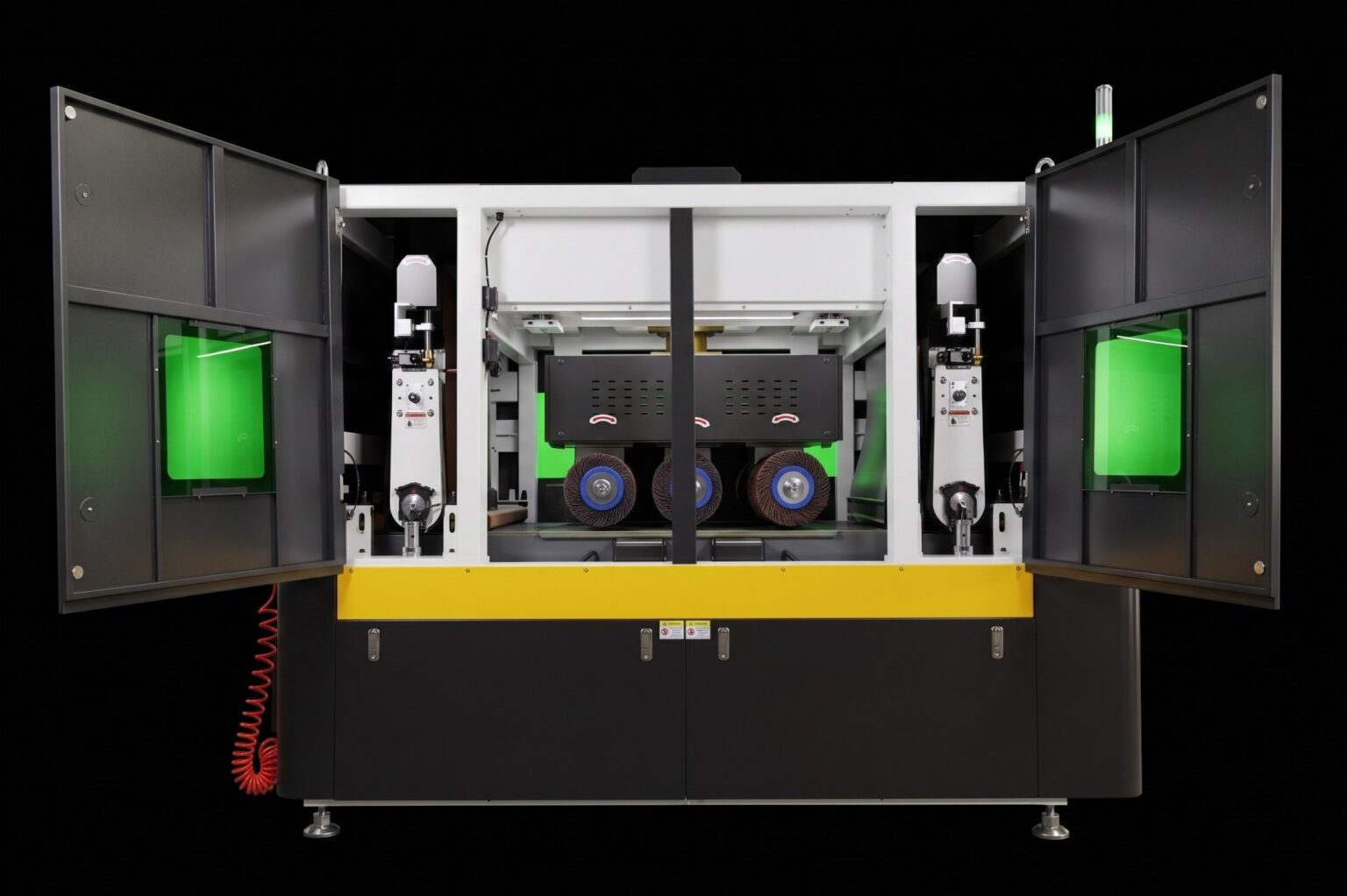
Commencing this comprehensive assessment about mechanized machines produced specialized in removing burrs characterize modernized manufacturing routines, providing prominent upsides across speed and standard. Our article discusses the multiple types of devices, containing scrubbing polishing machines, linear appliances, and sophisticated programmed applications. We will present the advantages of employing these technologies, namely lessened staffing outlays, increased item uniformity, and improved workshop performance.
Edge Smoothing Units: Precision Completing Elaborated
Edge chamfering apparatuses offer a cutting-edge solution for creating correct enhancing on elements. Compared to manual approaches, these intelligent platforms provide steady returns and dramatically improve fabrication performance. The machines generally employ different grinding instruments like circular blades, refining plates, or specialized shapes to reduce sharp rims and roughness. That function is fundamental in a ample set of trades, including medical and high-tech.- Enhance part appearance
- Lower fabrication overhead
- Maximize volume and performance
Byproduct Disposal Apparatuses: Producing Spotless, Superior Surfaces
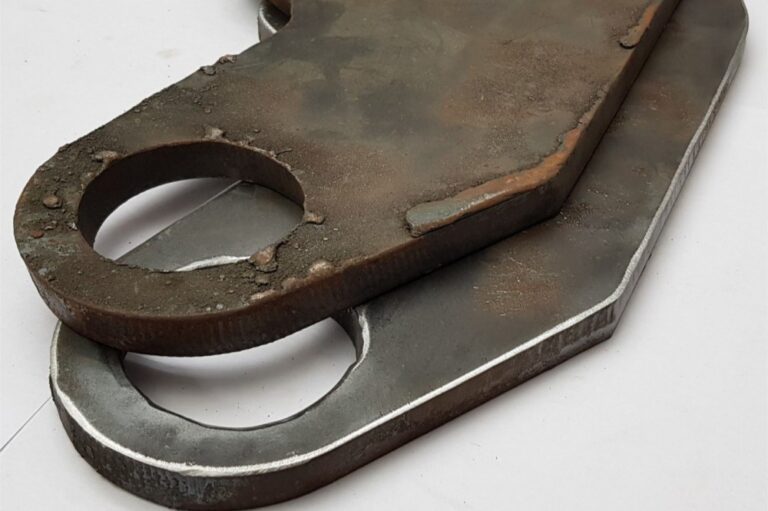
State-of-the-art foundry routines predictably yield significant amounts of dross, a byproduct that, if left, can severely compromise the value of the output. Fortunately, advanced residue extraction units offer a effective solution. These custom machines, employing techniques like surface cleaning, are designed to exhaustively eliminate this unwanted material, ensuring a spotless and superior surface. The resulting profits include curtailed rejection rates, enhanced aesthetic appeal, and an overall increase in fabrication rate. By utilizing leading slag removal technology, manufacturers can consistently deliver high-grade surfaces and meet stringent guidelines.
Metal Sheet Completion: The Benefits of Deburring Apparatuses
Securing a exceptional texture on sheet metal components is necessary for operation, and deburring machines furnish substantial profits over physical methods. Eliminating burrs speedily not only improves the cosmetic quality of the component, but also obviates probable malfunctions during construction and usage. Besides, automated deburring operations improve operation speeds and curtail operator outlays.
Elevating Sheet Metal Production with Automatic Deburring
So as to elevate output in sheet metal workshop operations, explore self-operating deburring systems. Conventional deburring is customarily slow and subject to inconsistencies. Adopting mechanized deburring provides notable positives, such as diminished worker expenditures, better item consistency, and enhanced cycle times. These resources can promptly break even.Electing the Ideal Deburring Apparatus for Your Assignment
Selecting the best deburring system for your individual needs necessitates a precise assessment of several factors. Initially, assess the classification of element you're controlling – iron requires different techniques than fiberglass. Subsequently, examine the magnitude and design of the sections needing surface cleaning. At last, consider your workload level; a bulk operation asks for a specialized type of mechanism than a restricted one. Skipping to account for these aspects may result in inefficient results and higher expenses.
Deburring Unit Method: Evolutions and Enhancements
Latest burr elimination tool procedure is encountering rapid advancement, prompted by the required for higher precision and output in activities methods. Noteworthy movements highlight the adoption of robotic frameworks for scalable edge finishing functions, alongside progress in lapping system. We're moreover witnessing a rise in transportable burr removal devices designed for specialized processes, and fresh techniques like mechanical burr elimination are receiving endorsement. The direction suggests towards strengthened association of surface refining machines within the automated facility locale.
Elevating Alloy Module Durability with Outline Smoothing
Many fabrication processes for brass parts introduce sharp edges, which can result in stress accumulations and susceptibilities that compromise overall performance. Edge rounding, a simple yet important method, offers a straightforward solution. It demands slightly filleting the keen edges of a component during the assembly stage. This minimizes stress clusters, enhances endurance resistance, and can minimize cracking. Benefits are further amplified when dealing with elaborate figures or parts subjected to intense weight. Considerations include the optimal rounding of the round and its influence on coupling with other components.
- Cuts down Stress Accumulates
- Increases Endurance Resistance
- Stops Snapping
Slag Clearing vs. Edge : Learning the Variations
Despite many practitioners use the words “slag disposal” and “deburring” identically, they signify distinct techniques in metal workshop processes. Bur remission focuses on cutting away the sharp, often tiny, burrs created during machining operations—these are excess fragments Precision Grinding of fabricate left on the module. Slag processing, conversely, addresses such adjunct – typically a fusion of flux – that appears during processes like forging. Essentially, deburring deals with residual margins, while slag treatment deals with one remains of a different procedure. To conclude, mechanized deburring and waste removal tools are indispensable components of modern metal production that maintain exceptional finished products with limited defects and optimized efficiency.Completing our discussion emphasizes the paramount role of state-of-the-art automated deburring technologies in influencing production benchmarks and assisting businesses reach improved productivity and quality.