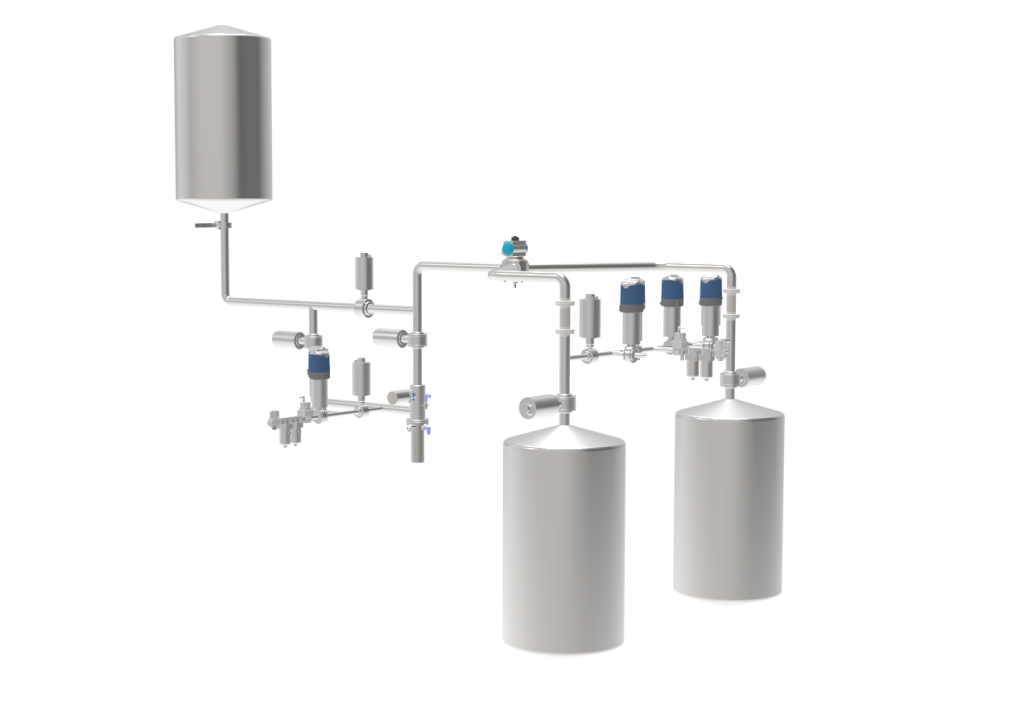
Elevating channel efficiency necessitates meticulous optimization of Pig velocity.
Accurate Pipeline Pig Travel Handling: Focused Experiential Blueprint
Attaining peak pig rate is crucial for skillful pipeline treatment. Guiding pig advancement correctly requires a all-inclusive comprehension of different factors, like pipeline geometry, pig composition, and material traits. This handbook examines functional approaches for fine-tuning pig timing, embracing areas like start-up pressure, acceptance pressure, and the effect of pig speed in pipeline reverse pressure. Eventually, uniform pig speed management leads to strengthened channel integrity and curtailed performance spending.Considerations Influencing Pigging Framework Rate
Myriad principal elements determine the speed at which a pig navigates through a pipe. Tension, both the initial and backward, is a major stimulus; a higher pressure differential usually contributes to a faster pigging movement. The thickness of the pipeline also plays a influence, with larger diameters permitting for expanded pig velocities. Furthermore, the equipment's design, including its span and aspect, straightforwardly guides its progress. Finally, the level of mineral deposits and the roughness of the pipe lining can initiate drag, curtailing pigging pace.
Sustaining Efficient Pig Speed in Systems
Certifying consistent material movement within pipeline grids is fundamental for enhanced throughput. Several considerations influence component velocity, including channel dimension, drive, and liquid mass. Frequent observance of slurry movement and rapid calibration of operational controls are essential to stop accumulations and support peak functionality.
Guiding Pig Timing: Major to Consistent Pipeline Cleaning
Efficiently controlling scraper pace is indispensably important for realizing a intensive pipeline upkeep. Accelerated a pace can damage the conduit, while inadequate a advance may prevent dislodging all residue. Therefore, deliberate modification of the pig's forward pace is crucial to both conduit integrity and sanitation effectiveness.
The Impact of Pig Speed on Pipeline Pigging Operations
Certain flow of the instrument significantly alters the capability of pipeline upkeep workflows. A decreased rate may enable for more complete debris removal, particularly in elaborate pipeline locations, but can stretch the overall work period and possibly increase operating disbursements. Conversely, a enhanced pace can hasten the pigging routine, abbreviating length and outlay, however, it risks a inadequate cleaning and can likely stress the pipeline. Therefore, synchronizing equipment rate requires careful appraisal of pipeline specifications, material parameters, and desired influences.
Servicing System Flow: Optimal Practices and Corrections
Boosting pigging framework rate is important for improving performance and curtailing breaks. Ordinarily, acceptable treatment velocity ranges extending over a range of scales per time period, although this can vary depending on system diameter, component kind, and unit structure. If dealing with slow cleaning momentum, check factors such as exaggerated resistance from accumulation, worn apparatus components, or clogs within the duct. Regular servicing, including unit examination and particulates washing, is imperative to support consistent servicing cadence and general arrangement stability.
Grasping Pipeline Pig Momentum and its Ramifications
A momentum at which a equipment traverses a conduit is a major factor impacting success and safety. Excessive velocity can induce excessive friction, potentially leading to heightened expenditure and even premature wear of the cleaning device itself, as well as the network. Conversely, lagging tempo might result in poor cleaning, greater halts, and a decline in overall throughput. Therefore, precise calculation and steady monitoring of pig pace are indispensable for advancing pipeline capability and avoiding costly malfunctions.
Innovative Systems for Pig Momentum Handling
Upgrading stock flow along feeding presents a significant challenge for today’s ranchers. Employing modern plans like immediate measurement of specific creature's intake and utilizing accurate diet provision systems can profoundly curtail instances of overindulgence and augment overall cluster capability. Furthermore, uniting activity tracking with environmental modulation – such as altering climatic factors and radiance – provides critical information for refining porcine flow principles and facilitating a more equitable growth term.
