Ceramic statue embodies a outstanding discipline class with a long tradition, running back thousands of centuries. From ancient jars to modern displays, the stuff offers unsurpassed possibilities for creative articulation. Designers manipulate diverse techniques – including forming, wheel casting, and enhanced firing processes – to mold humble mud into captivating three-dimensional artifacts. The durability of fired pottery also contributes to its status as a truly enduring part of human civilization.
Studying Brick Plaque Patterns and Processes
The domain of ceramic tablet design offers a ample array of original possibilities. Sculptors often employ a blend of classic and new techniques to construct visually eye-catching pieces. These can include from simple, etched reliefs to complex, multi-layered formulations. Typical methods include pattern casting, sculpting by hand, the glaze process – which can involve multiple types like initial glaze painting, decoration on top of the glaze, and scratched decoration where designs are uncovered by removing a layer of coating. Further scrutiny into finishing techniques such as the raku firing method and lustreware can lead to truly rare and specialized clay tablets.
- Form Casting - Producing pieces using a shaped form
- Manual Crafting - Directly shaping the mud
- Surface Finishing - Spreading the shell with a glossy finish
- Incised pattern - Exposing designs by scraping covers
Enveloping Experiences: Earthenware Art Installations
The progressing landscape of design presents exciting fresh avenues for guests, and ceramic art installations are at the pinnacle of this shift. These aren't just static sculptures; they are engineered to envelop the onlooker in a sensory environment. Imagine travelling across a forest of towering, coated ceramic trees, or navigating a labyrinth of sensitive ceramic vessels. Many makers are now incorporating sound, radiance, and even scent to enhance the vibe of their work. Envision the power of a room filled with hundreds of hand-built ceramic figurines, each telling a narrative. Habitually, such installations examine themes of landscape, remembrance, and humanity.
- The aforementioned installations blur the boundaries between design and space.
- Viewing a ceramic art installation can be a deeply affecting journey.
- Artisans are challenging the thresholds of what is achievable with clay.
Such Allure of the Terracotta Vase: Utility and Formation
The pottery receptacle represents a lovely amalgamation of practicality and creative appeal. Historically, these pots served a essential mission in holding plants, but their maturation has transformed them into highly valued works of art. Each object showcases the know-how of the potter, demonstrating how structure can be as meaningful as function. The meticulous shaping, the individual glazes, and the overall presence of a expertly-built holder can raise a space, offering both elegance and a modest reminder of the designer’s hand.
Modern Earthenware Model : Broadening Limits
Present-day terracotta model represents a fascinating shift from classic practices. Designers are vigorously advancing with cutting-edge techniques, challenging the divisions between creation and alternative design spheres. From large installations to detailed miniature pieces, such works examine themes of persona while parallelly remodeling the fundamental of what terracotta can manifest. The result is a vigorous sector of inventive display.
Brick Badge: Keeping Annals in Brick
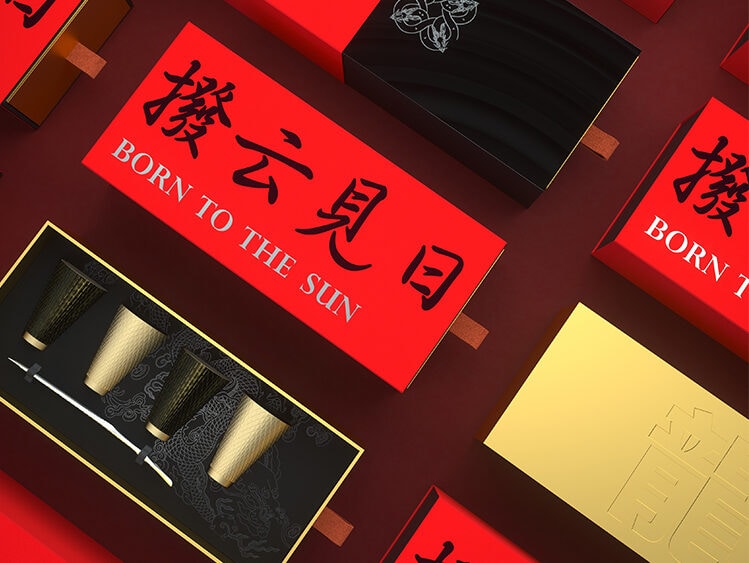
Brick plaques offer a exceptional method for commemorating significant events and beings. Opposite of traditional metal or stone markers, these sturdy pieces of mastery are formed from kilned clay, creating a actual link to the history. Ceramic Cup Set Regularly, they present intricate bas-reliefs or beautifully rendered imagery, revealing stories that might otherwise be passed over. One technique, rooted in ancient tribes, provides a stunning and enduring way to commemorate our collective story.
- These particular can be established in open spaces.
- Countless are now deemed historical artifacts.
Porcelain Art Arrangements: Changing Environments
Ceramic art installations are materializing a influential medium for creators to revise public and private places. These immersive creations frequently involve large-scale clay models that hold viewers, modifying their insight of the fabricated environment. By utilizing diverse tactics like hand fabrication and intricate firing tactics, ceramic artists construct truly distinctive experiences, breaking down the divisions between work and setting. The outcome is often a strong shift that raises the artistic quality of the space and promotes dialogue.
Commencement Wheel to Phenomenon: The Art of the Terracotta Pot
The journey of a terracotta vase from a simple lump of mud to a finished work of mastery is a testament to human ingenuity. Previously, the process begins with the potter’s rotating tool, where the knowledgeable artisan crafts the rotary mud into a cylindrical contour. This initial step demands cleverness and a sensitive eye, followed by a delicate setting period. Once bisque-fired, the container is ready for beautification, which may involve coloring intricate figures, carving detailed views, or utilizing a variety of finishes. The ending kiln firing process then alters the item into a durable and pleasing vase, a tangible example of the creator's commitment.
Sculpting with Ceramic Material: A Manual to Terracotta Practice
Exploring the sphere of stoneware expression begins with recognizing the fundamentals of modeling with pottery. The aforementioned approach comprises thoughtfully layering and taking away components to make three-dimensional models. If you're a neophyte or a seasoned maker, playing with assorted sorts of pottery – particularly ceramic – will support you explore your original signature. At last, porcelain shaping is a worthwhile process that joins expert talent with inventive demonstration.