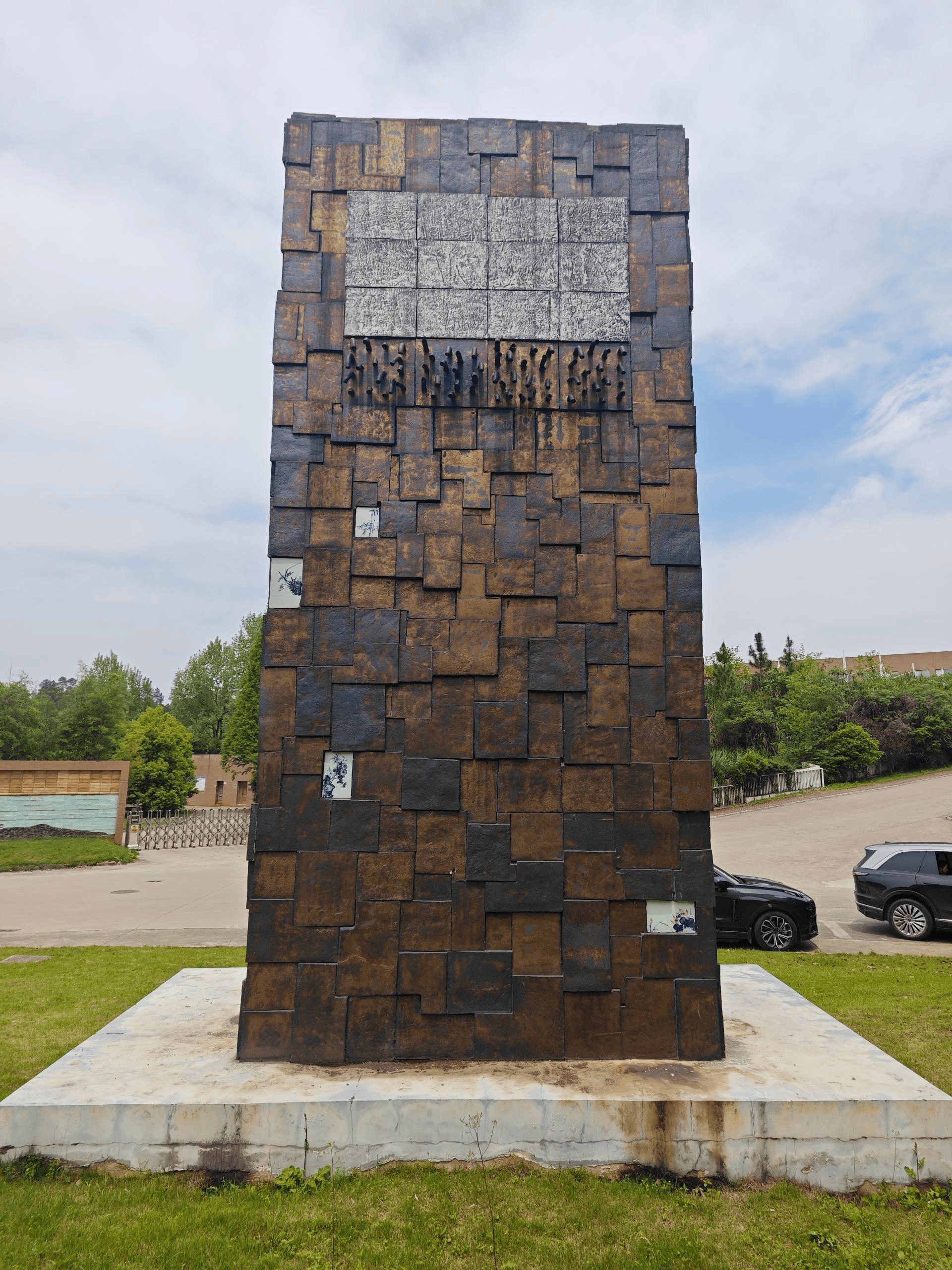
Terracotta model constitutes a impressive work type with a vast legacy, extending back myriad of periods. From ancient vessels to recent setups, the resource offers unmatched possibilities for creative representation. Builders employ multiple techniques – including assembling, wheel manipulating, and advanced firing processes – to mold humble dirt into exquisite three-dimensional artifacts. The robustness of fired pottery also contributes to its status as a truly important part of human tradition.
Analyzing Porcelain Board Designs and Techniques
The realm of ceramic panel design offers a broad array of imaginative possibilities. Artisans often exercise a integration of ancestral and up-to-date techniques to develop visually bold pieces. These can move from simple, hand-carved reliefs to complex, multi-layered compositions. Common methods include the slip cast process, hand shaping, varnishing – which can involve numerous techniques like base glaze illustration, decoration on top of the glaze, and scratched design where designs are exposed by scraping a layer of varnish. More investigation into surface treatments such as flash firing and lustering can offer truly uncommon and specialized porcelain markers.
- Form Casting - Forming pieces using a mold
- Manual Crafting - Delicately building the loam
- Enameling - Covering the surface with a smooth finish
- Etched illustration - Disclosing designs by removing surfaces
Enveloping Experiences: Earthenware Art Installations
The transforming landscape of craftsmanship presents exciting fresh avenues for witnesses, and ceramic art installations are at the front line of this trend. These aren't just static figurines; they are constructed to envelop the spectator in a sensory surrounding. Imagine passing through a forest of towering, glazed ceramic trees, or navigating a complex of intricate ceramic vessels. Many sculptors are now incorporating sonics, light, and even odor to enhance the sensation of their work. Reflect on the power of a room filled with hundreds of uniquely ceramic forms, each telling a account. Typically, such installations delve into themes of landscape, remembrance, and the collective.
- The aforementioned installations blur the lines between craft and architecture.
- Participating in a ceramic art installation can be a deeply personal journey.
- Craftsmen are transporting the constraints of what is realizable with clay.
This Splendor of the Clay Jar: Meaning and Structure
The terracotta pot represents a notable conjunction of usefulness and decorative appeal. Historically, these vessels served a minimalist assignment in containing plants, but their maturation has transformed them into highly valued works of craft. Each object showcases the know-how of the potter, demonstrating how design can be as noteworthy as application. The deliberate shaping, the exceptional glazes, and the holistic presence of a well-made container can lift a space, offering both magnificence and a quiet reminder of the manual hand.
Latest Earthenware Creation : Broadening Horizons
Up-to-date porcelain design represents a fascinating evolution from conventional practices. Artisans are intensely experimenting with innovative approaches, softening the edges between form and additional craft disciplines. From monumental installations to delicate miniature pieces, these kinds of works delve into themes of individuality while in unison remodeling the fundamental of what porcelain can manifest. The result is a vigorous sphere of inventive display.
Brick Badge: Keeping Annals in Stoneware
Porcelain plaques offer a exceptional method for preserving significant events and personalities. In contrast to traditional metal or stone markers, these sturdy pieces of creation are formed from cooked clay, creating a material link to the former times. Frequently, they feature intricate figures or beautifully rendered imagery, portraying stories that might Jingdezhen Ceramics otherwise be neglected. A technique, stemming from ancient societies, provides a aesthetically pleasing and lasting way to acknowledge our collective heritage.
- Those can be installed in public spaces.
- A large number of are now acknowledged historical objects.
Pottery Art Assemblies: Remodeling Venues
Pottery art installations are flourishing a potent medium for sculptors to reimagine public and private sites. These immersive creations frequently involve large-scale clay models that involve viewers, modifying their awareness of the created environment. By incorporating diverse ways like manual assembly and complex firing procedures, ceramic artists generate truly original experiences, removing the boundaries between production and environment. The upshot is often a impactful modification that uplifts the expressive quality of the site and fosters interaction.
From Spindle to Wonder: The Method of the Ceramic Jar
The journey of a ceramic jar from a simple lump of terracotta to a refined work of production is a testament to human inventiveness. Classicall, the process commences with the potter’s rotary device, where the experienced artisan builds the rotating soil into a cylindrical configuration. This first period demands skilfulness and a trained eye, followed by a delicate solidifying period. Once bisque-fired, the urn is ready for finishing, which may include coloring intricate figures, carving detailed views, or utilizing a variety of finishes. The terminal processing process then alters the item into a durable and attractive vessel, a tangible embodiment of the craftsman's imagination.
Forming with Clay: A Overview to Earthenware Expression
Surveying the world of clay work begins with studying the tenets of molding with earthenware. This particular procedure demands attentively constructing and cutting material to form three-dimensional pieces. Whether you're a learner or a proficient creator, engaging with multiple categories of porcelain – notably pottery – will promote you locate your idiosyncratic expression. After all, brick forming is a valuable undertaking that connects dexterous mastery with artistic manifestation.