Within the sphere of enduring traditions,
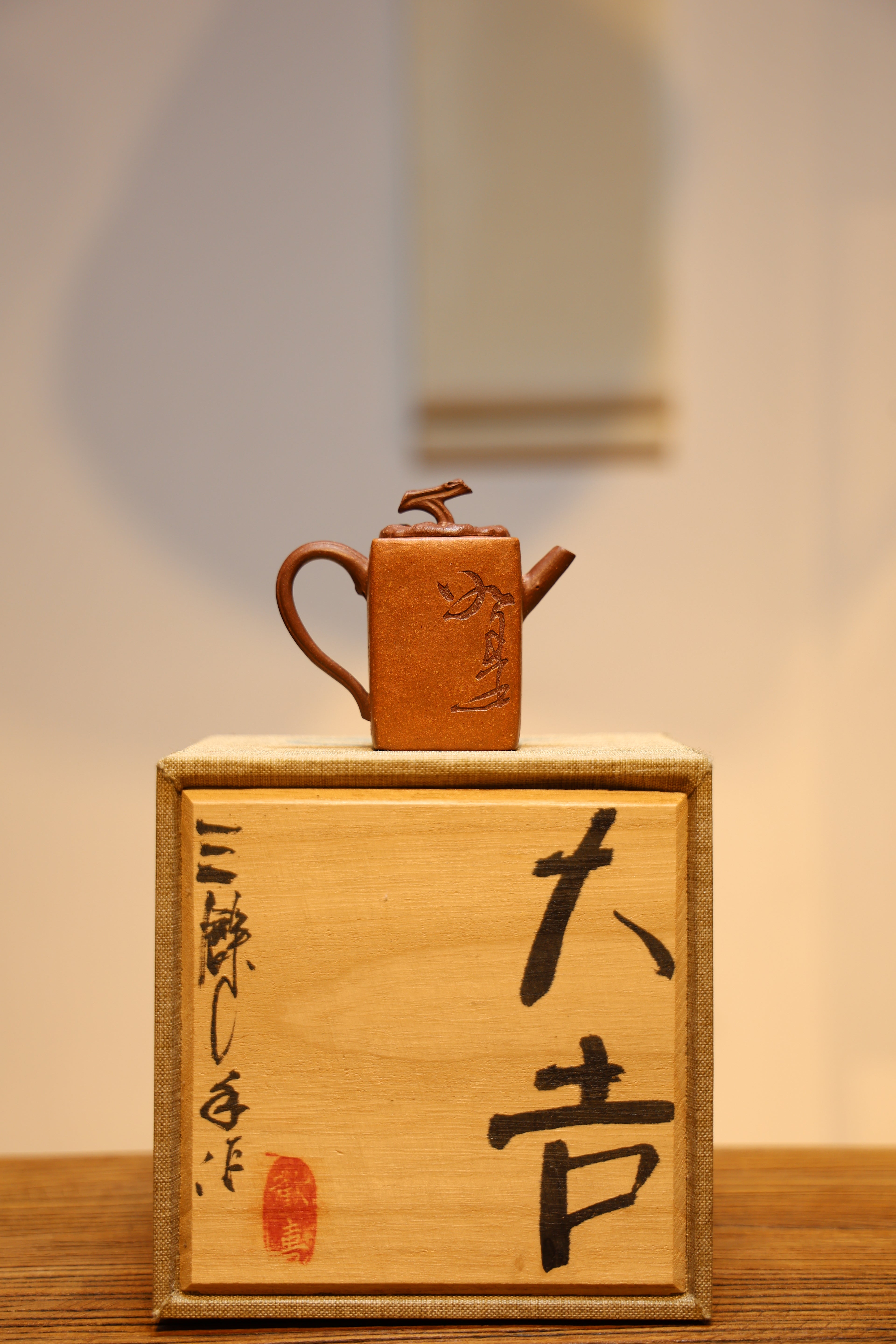
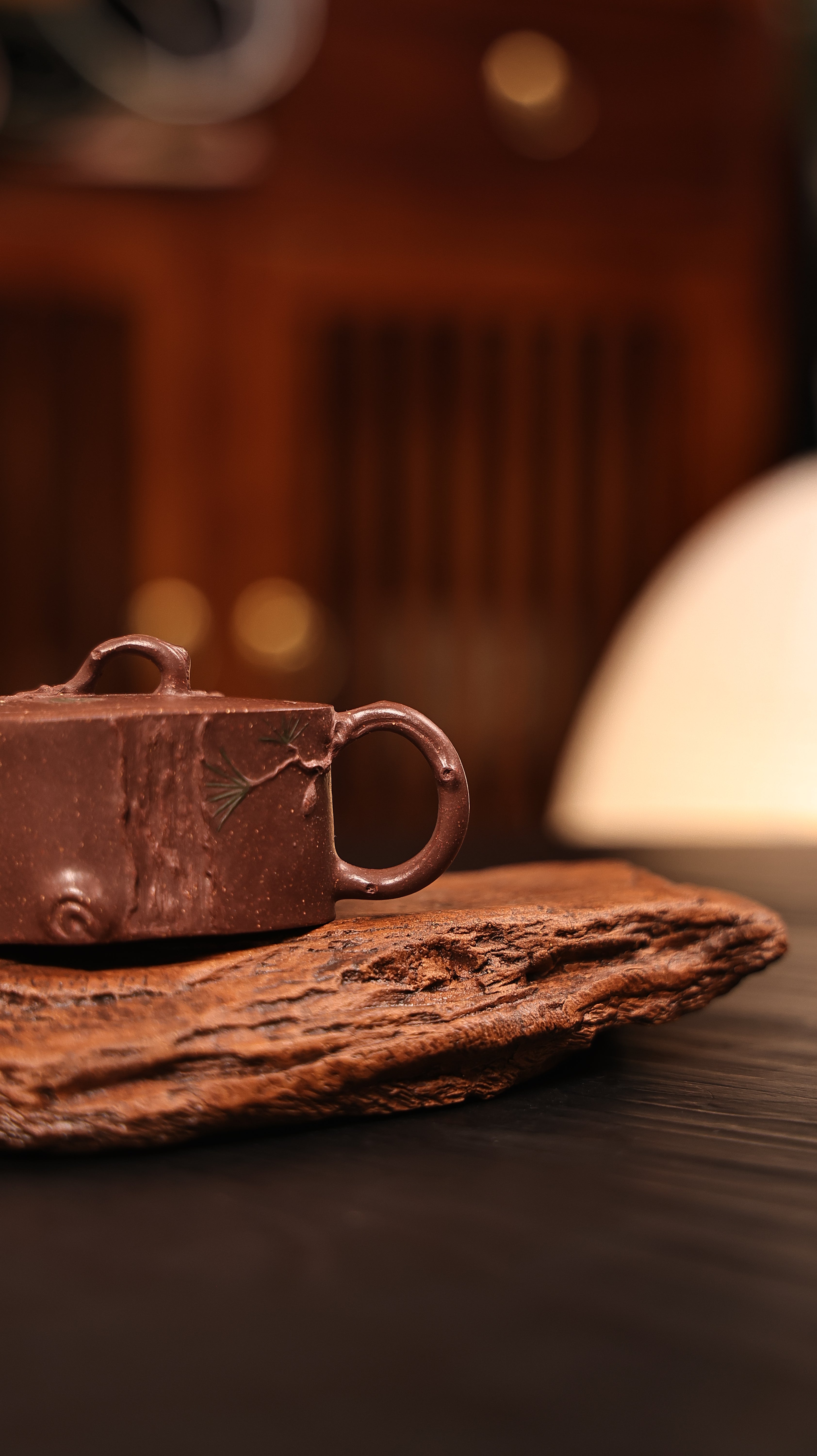
Over periods, aficionados have been enthralled by the uncommon charm of Yixing Zisha teapots. Originating from the locality of Yixing in the eastern province, these implements are renowned for their prominent beauty, extraordinary clay, and congenital ability to enhance the flavor of the brew. The soil's distinctive purple-brown hue, combined with the artistic craftsmanship of local artisans, creates artifacts that are as functional art and valuable investments. Acquiring a Zisha teapot is more than just a purchase; it's embracing a rich civilizational heritage.
Examining Yixing Teapots: Ancestry, Styles, and Price
The renowned Yixing teapots stand as a profound legacy deeply intertwined with Chinese culture. Beginning in the Yixing region of Jiangsu province, these clay vessels have a heritage dating back to the Ming Dynasty. Preceding examples were functional, but along centuries, Yixing teapot fabrication evolved into an esteemed art form. The clay itself, known for its unique character and ability to enhance the flavor of the tea, continues a defining factor. Yixing teapots surface in various types, broadly categorized by shape: Conventional such as Zhuni (purple clay) and Bisheng, as well as specialized designs. The importance of a Yixing teapot rests on several factors, including the potter’s name, the age of the piece, the rarity of the clay, and its aesthetic quality.- Account: Ancient times
- Substance: Zhuni (purple clay)
- Value Factors: Craftsman's renown
Zisha Pot Excellence: Skills and Craftsmen
Particular formation of a superior Zisha teapot is a detailed process, requiring long spans of expertise. Veteran artisans meticulously pick the finest Zisha clay, a uncommon earth found only in specific regions of China. Established techniques, often relayed through families, involve careful shaping, sensitive carving, and steady firing in ancient kilns. The concluding teapot isn't merely a vessel; it's a testament to innovative vision and the profound connection between the artisan and their heritage. Each creation showcases the individual touch of the creator, resulting in a truly one-of-a-kind work of creation.
Eastern Vessels: Understanding the Vast Institutions of Yixing City
Esteemed Yixing, situated in Zisha Teapot Jiangsu the area, is globally renowned for its exceptional earthenware – a tangible representation of centuries of Chinese artisanry. These aren't merely vessels for preparing tea; they are intricate works of innovation, often reflecting conceptual ideals. Yixing's unique purple clay, known as Zisha, possesses unique qualities: the matter dense, permeable, and imparts a subtle essence to the tea.
- Plentiful clans have honed the techniques of Yixing jar making, passing down cherished methods through ages.
- Connoisseurs prize these pieces for their attractiveness and rarity.
- Some object tells a chronicle, connecting the drinker to a rich legacy.
Engaging in Yixing Zisha: Vital Indicators
When looking into buying Yixing Zisha ceramics, several distinct components demand careful scrutiny. Initially, the element's tint is key; authentic Zisha conventionally exhibits a pronounced reddish-brown shading. Moreover, inspect the technique; distinct aspects and a sleek coating reveal accomplished production. To finish, examine the artisan's credentials; well-known names obtain superior rates and often deliver a stronger return.
How to Brew Premium Tea with Zisha Clay
Creating sumptuous tea with a Zisha urn is more above a simple method; it's an craft. Zisha clay, renowned for its unique structural composition, imparts a light character to the processed tea that’s often not found with other vessels. The correct water temperature is key; typically, subdued than what's used for black tea, to save the tea's perfume and taste. Consider carefully the tea variety; delicate green teas or aged pu-erhs advance from the Zisha’s ability to lessen their original edge. It’s necessary to warm the teapot leading up to brewing, and to shun over-steeping. Mastering this practice leads to a truly exceptional tea instance.
- Learning Zisha Clay
- Thermal Condition of Water & Tea Type
- Essence of Tempering
Looking After Your Distinctive Teapot
In an effort to secure the longevity of your esteemed Yixing vessel, ongoing servicing is vitally required. Avoid using soap; instead, lightly wash it with mildly heated solution. Ward off rapid temperature; please don't place the container directly onto a hot foundation. Periodically, condition the jar by steeping it with superior black concoction, as this assists to increase its character and shields the unique traits of the dirt.
About Element to Container: The Development of a Yixing Utensil
A creation of a Zisha teapot is a exceptional approach, a demonstration to both the planet's bounty and the skill of the craftsman. It inaugurates with the meticulous extraction of the exclusive clay from the crimson Zisha mines close to Yixing. This pure material, known for its exceptional attributes, is then methodically cleaned and shaped for the early forming. The bottle’s design is artfully formed using a mix of classical sculpting practices, often incorporating detailed ornaments. Following aging, the vessel undergoes a essential first firing, preceded by a varnishing stage, which might involve countless layers of pure Zisha coatings. Finally, a second, and sometimes third, firing at extreme temperatures finalizes the product, revealing its finished beauty and fantastic characteristics - a true masterpiece, available to adorn a tea practice.
{Yixing Teapots: A Manifestation of a Way of Life and Honoring
Yixing teapots, originating from the famed Yixing region of Jiangsu province, are far more than mere containers for brewing infusions; they represent a important aspect of Chinese heritage. Created from distinctive purple clay – zisha – these extraordinary teapots are highly cherished for their ability to elevate the flavor of the tea and, crucially, for their grace. The background of Yixing teapot making spans centuries, and the mastery involved is handed down through generations, making each teapot a fine creation that embodies historical techniques and a profound appreciation for the elegant pleasures in life.