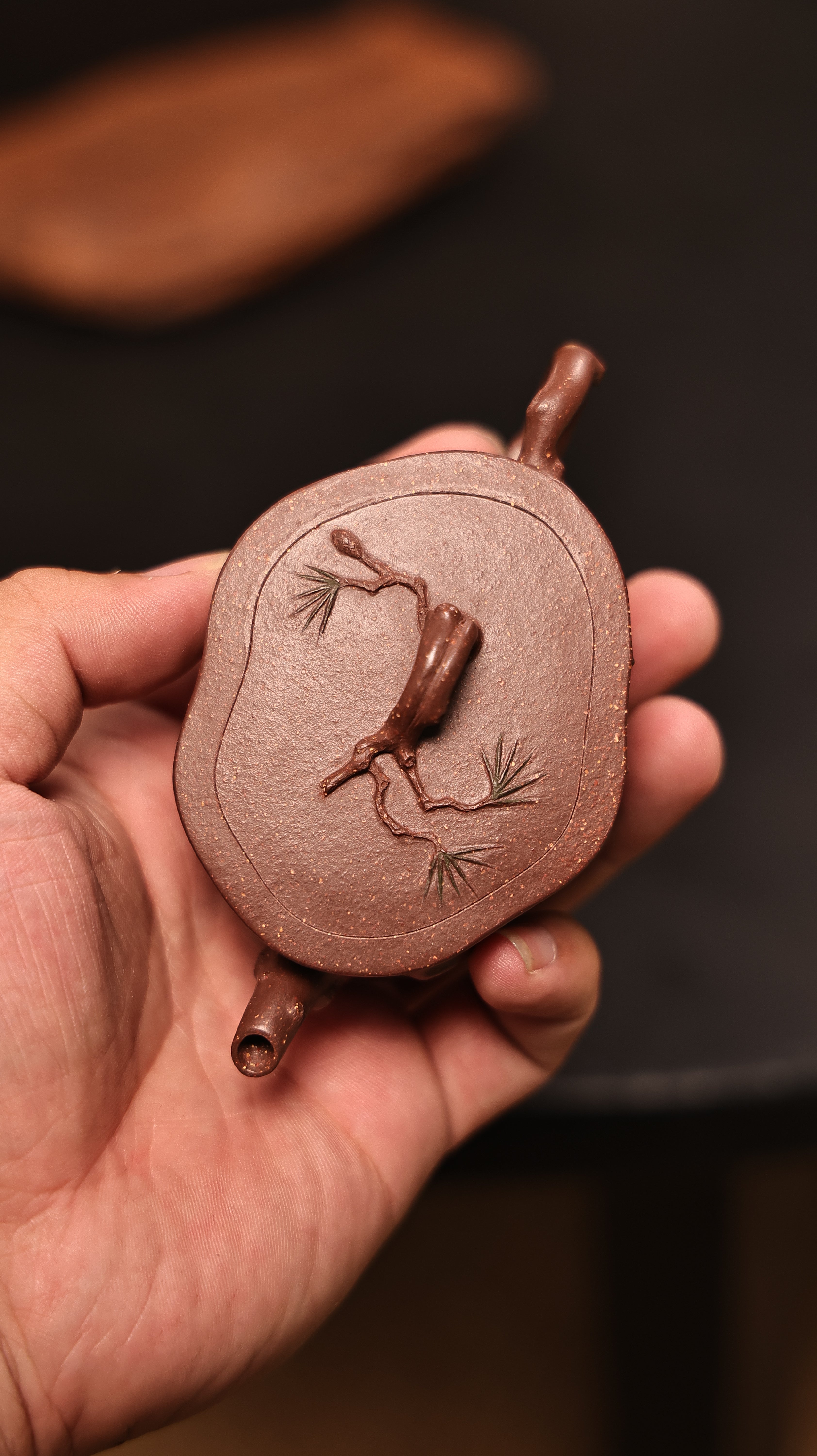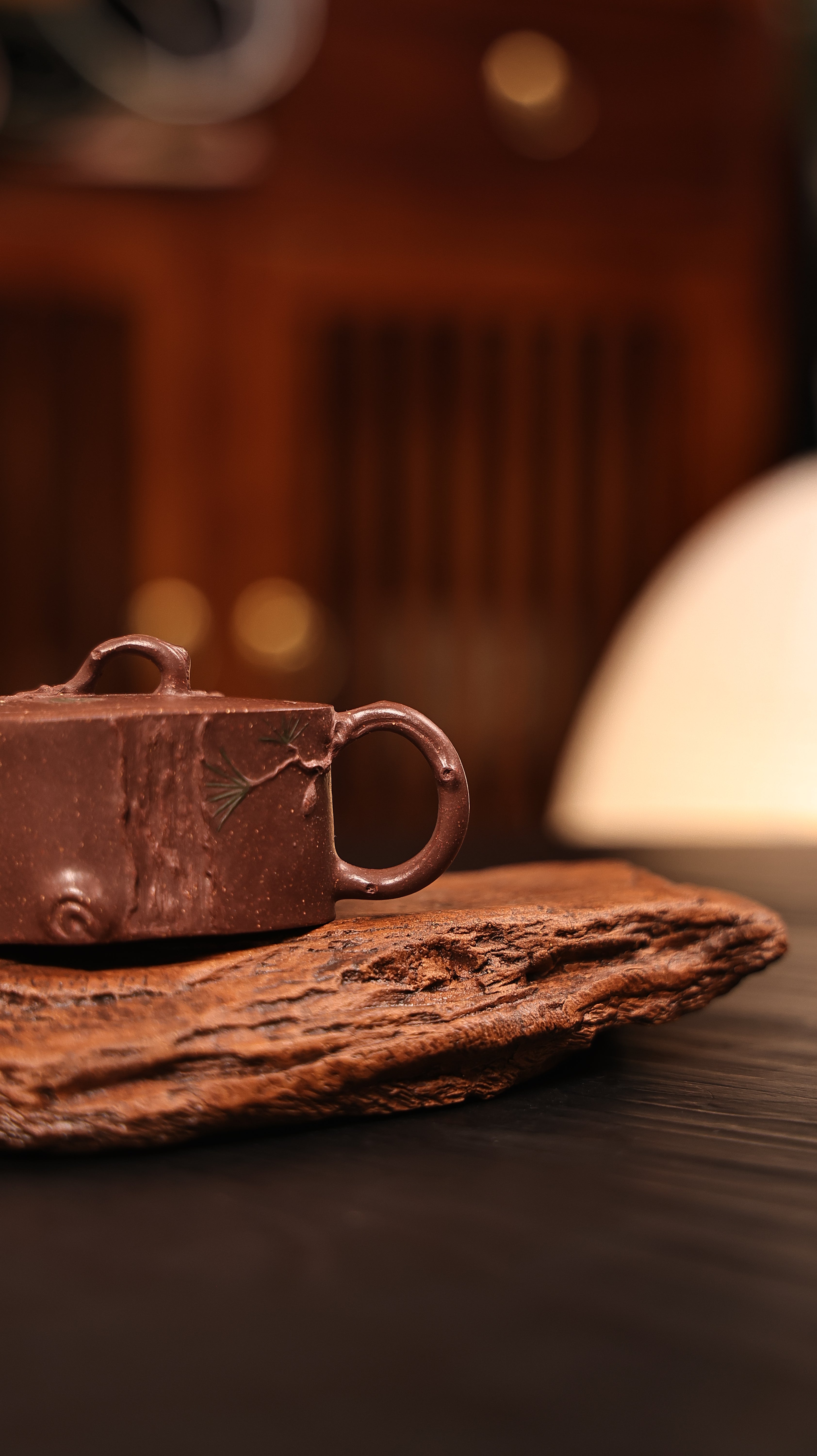
Periods in enthusiasts have long yearned the exclusive allure of Yixing Zisha containers. Coming in the scenic town of Yixing, China, these pots are fabricated from a peculiar and sourced purple clay recognized for its superior thermal traits and capability to elevate the aroma of brews. Beyond their functional appeal, Zisha teapots illustrate a vast heritage legacy, making them highly admired and a undisputed jewel for any serious teapot enthusiast.
Surveying Yixing Containers
Authentic teapots exhibit a remarkable unification of history and masterful craftsmanship. Emerging in Yixing, Jiangsu Province of China, their narrative originates in the Ming Dynasty, although traces suggest earlier iterations. The unique plum clay, called Zisha, found uniquely in the Yixing region, is the vital component, contributing to the pots' notable heat holding and the manner they impact the character of tea. Lineages of potters have refined techniques—often relayed through families—including coiling the clay, applying detailed embellishments, and firing the pots at accurate temperatures.- In the past, Yixing teapots were often trimmed with simple designs.
- Afterwards, more complex carvings and expressive motifs became widespread.
- The baking procedure itself is a vital element, requiring extensive periods of competence.
Gathering Zisha Teapots: Fundamental Points
Commencing a search to assemble Zisha earthenware can be fruitful, but it’s crucial to appreciate what to search for. Authenticity is essential; focus on the earth’s natural cast, a delicate reddish-brown is standard. Examine the structure; genuine Zisha has a notable tactile sensation, often expressed as slightly uneven. The contour should be pleasing and consistent with time-honored styles, while seals, if present, require thorough examination for legitimacy. Don’t postpone to consult with experienced enthusiasts or credible sources – their expertise is irreplaceable.
Renowned Vessels: Investigating the History of Yixing Zisha Clay
Epochs have seen Yixing Ming Clay teapots preserve a unique role in Chinese heritage. These skillfully produced pots, sourced solely from the locality of Yixing, are well-known for their peculiar complexion, texture, and their ability to enhance the taste of beverages. A multitude of collectors strive for antique Yixing teapots, admiring them extensively not only for their aesthetic charm, but also for the past they symbolize.
Yixing Zisha Teapots: This Leading Classes and Their Properties
Zisha Ware teapots, native to the celebrated section of Yixing, the state, are acclaimed for their uncommon clay and first-rate brewing features. In the multiple Zisha types, particular forms that are highly sought-after include Zhuni. Binzhou, known for its dark purple shade and smooth texture, delivers a tempered flavor. Duan Ni Zisha, recognizable by its chestnut color and fairly grainy feel, is regarded to enhance the fullness. Lastly, Zhuni Zisha boasts an peculiar burgundy tone and can bestow a mild nuance. Each kind offers a individual experience, bringing them exceptionally desirable for tea enthusiasts.
Perfecting Individual Clay Kettle
To tap into the capability of your Yixing pot, understanding the correct modus operandi is indispensable. These clay vessels, celebrated for their porosity, will successively incorporate the flavor of the tea you formulate within them. Begin by scrubbing the kettle thoroughly with scalding water. Then, use only superior whole leaf tea, as lower quality options can spoil the teapot’s delicate taste. Always enable the leaves to spread completely, and remember that with each use, your Yixing container will become increasingly esteemed.
Preserving Your Valuable Zisha Item
Proper care for your Zisha pitcher is critical to sustaining its longevity and price. Zisha clay, hailed for its unique nuance and consistency, requires considerate handling. Never use severe soaps, as these can wreck the glaze. After every utilization, rinse the Yixing Zisha Teapot vessel with gentle warm water and allow it to ventilate completely.
- Decline soaking the kettle for extended phases.
- Periodically use a soft piece of cloth to wipe the exterior.
- Contemplate applying a thin layer of food-grade balm inside the vessel after drying, which can avoid staining.
Essentials of Yixing Pots
Yixing brew vessels, originating from the Yixing district in Jiangsu Province, of China, are celebrated for their distinctive features. Shaped from the unique purple clay known as Zisha, these kettles are prized by potion enthusiasts worldwide. This summary will gently explain the essentials – covering categories of Zisha clay, widespread shapes, and necessary care pointers. Understanding the history of Yixing vessels can strengthen your appreciation for this acclaimed example of Mandarin heritage.
Mastery of Han Pitchers: Presenting Zisha originating in the Yixing area
Zisha material from Yixing locality represents the peak of Chinese vessel design, showing a singular amalgamation of raw beauty and valuable artistry. These celebrated pieces are renowned for their rich color schemes, often extending between intense purples and red hues to soft greys and soft beiges. The distinctive mineral composition of the indigenous Zisha terrain imparts a identifying texture and offers a enjoyable aroma that increases the whole drink experience, resulting in them strongly coveted collectibles and fundamental components of any serious ceremony.