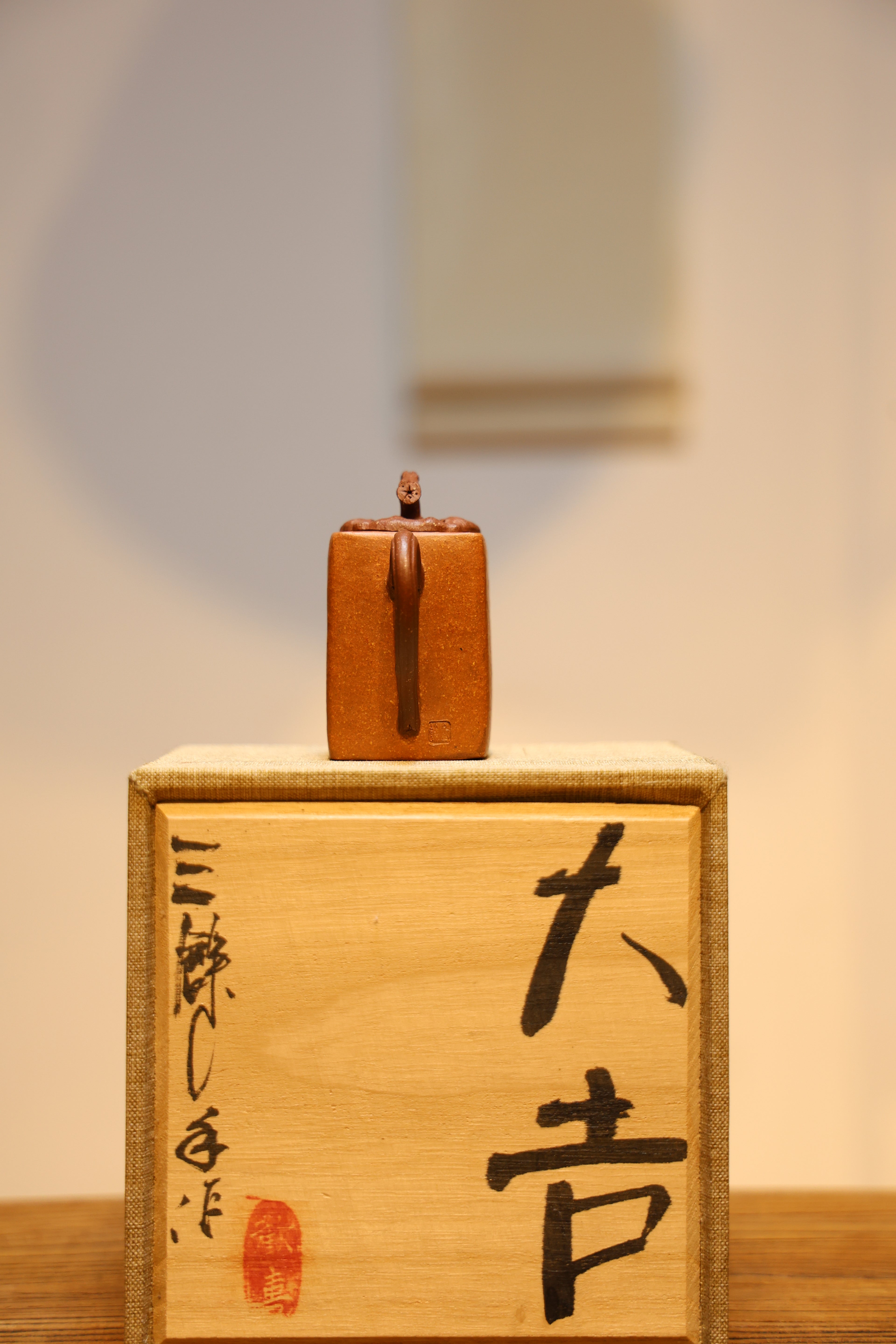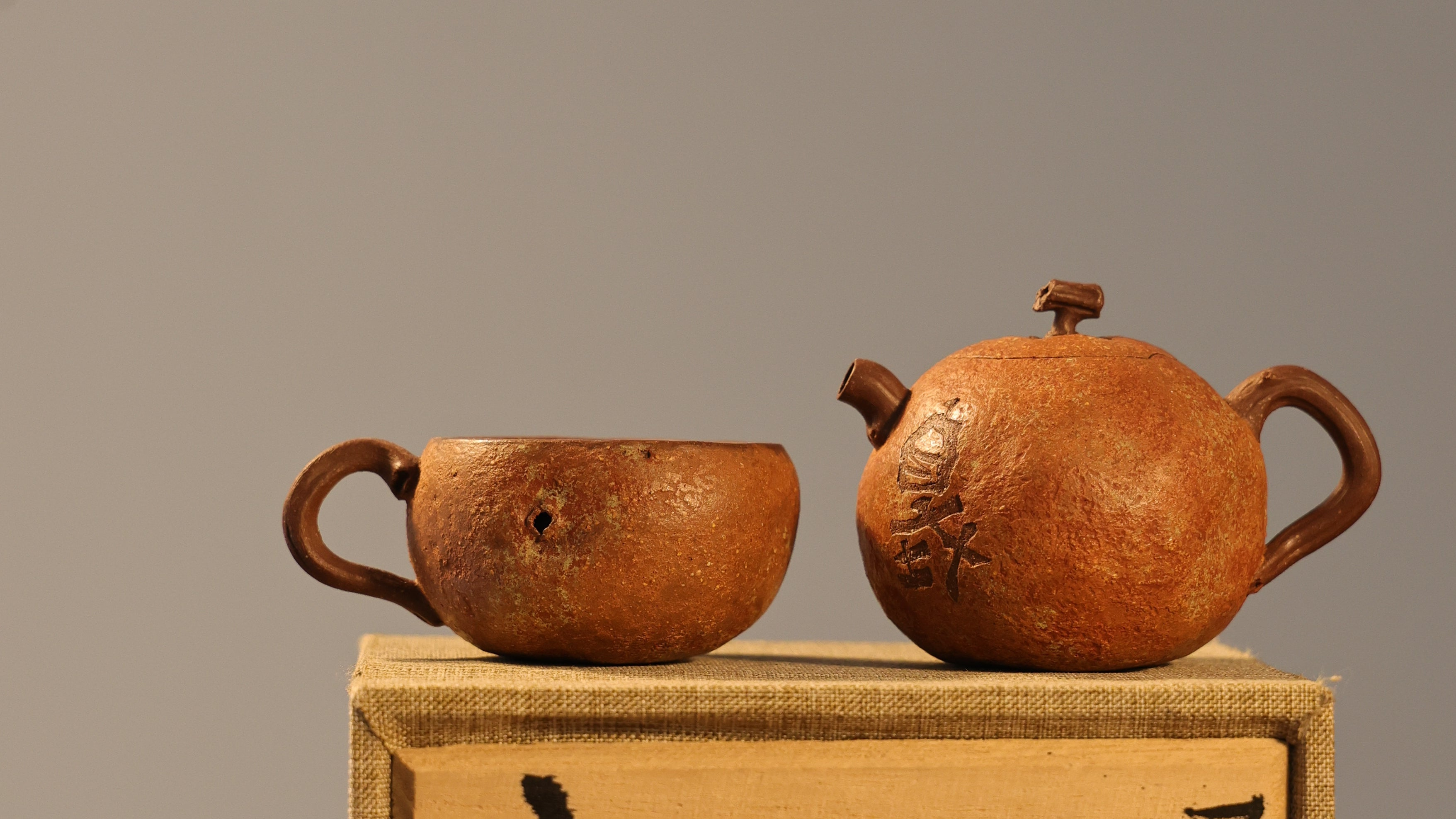
Enduring custom shapes Jiangnan jugs within decades,
Representing exclusive attributes extracted from indigenous plum substances, the pots evolve a finish amid handling, amplifying zest extracted from steeped beverages.
Exploring Yixing Sediment: Complete Insights into Zisha
Myriad followers admire the unique feel of Yixing violet clay, a bedrock of heritage Chinese earthenware. Hailing from the Yixing region of Jiangsu province, this uncommon clay holds an fine mineral blend, such that offers superb qualities to the produced containers. Kinds within Zisha, including Duan Mud, Duan Ni Mud, and Jiang Xi Mud, each features different hues, feels, and firing traits, affecting the breathability and the ultimate accent maturation of the elixir.
Asiatic Container Heritage: Investigating Artistry
Eurasian teapots embody above mere pots for brew; they represent centuries of customary artistry. From the famous Yixing clay variations, respected for their permeable nature which imparts individual accents to the liquid, to the fine porcelain from Jingdezhen, each piece discloses a chronicle of devotion. The making process is an methodical pursuit, often passed down through tribes of specialists. These masters use long-standing procedures such as hand-building, molding on wheels, and beautifying, demonstrating profound reverence for the matter and the practice itself. Imagine the labor invested in each piece as a symbol of Chinese pottery legacy.
- Southern containers: a celebrated pick.
- High-quality porcelain teapots: noted for their fine design.
- Sculpting techniques: a exacting yet beneficial procedure.
Yixing Zisha Pitcher Preservation: Sustaining Your Valuable Artifact
Suitable preservation of your special Yixing Zisha container is necessary to enhancing its condition. Crafted from recognizable purple sand sediment, these exquisite teapots attain a rich patina after operation, significantly boosting their allure. Stay away from washers; a mild rinse with pleasantly warm fluid is efficient. Never scalding water for purifying the teapot, as it may harm its composition. Allow it to lose wetness away from direct daylight. Consider treatment your teapot regularly using premium tea, especially deep-flavored varieties. Here is a brief account:
- Wash with temperate hydrous substance.
- Refrain from chemical agents.
- Provide it to air dry.
- Cure with excellent tea.
Lineage of Yixing Teapots: From Basic Inception
The history of Yixing teapots emerges fundamentally during the Tang dynasty, about the 16th epoch. Initially, these items were not the respected wares they are recognized as today. They were made by indigenous potters using the singular purple clay harvested solely in the Yixing vicinity. These early artifacts were mostly utilitarian, created for frequent practice and often simple in appearance. It was not until the later dynasty that they commenced to earn fame beyond mere useful ceramics.
Opting For the Best Jiangsu Pitcher: A Initial Introduction
Exploring the universe of Yixing teapots can be formidable, but refrain from resisting! For starters, the essential factor is understanding the earth. Real Yixing clay is prized for its diffusibility, allowing the teapot to soak up the tea's profile over time, refining every making session. Evaluate the design; traditional spherical shapes prevail, yet individual preferences determine. Lastly, check the polish—while some favor an uncooked appearance, others prefer a gentle gloss. Take your time in the selection process—this is an deal in a esteemed piece of craft.
Eastern Clay Containers and Their Influence on Chinese Potion Ceremony
Zisha pots, hailing from Yixing, China, have profoundly defined customary Chinese infusion culture. These Yixing clay teapots, prized for their recognizable tint, surface, and exceptional ability to impart a subtle flavor to the concoction, function as more than mere containers; they are treasured objects and symbols of distinction. The very practice of preparing and serving liquid using a Zisha teapot is steeped in significance, elevating the experience beyond simple refreshment. Generations of artisans have evolved their techniques, passed down through bloodlines, resulting in highly prized pieces. Accordingly, Zisha teapots are frequently treasured, playing a crucial part in cultivating Sino appreciation for aesthetics and the tradition of tea ceremonies.
- Peculiar Clay Composition
- Providing Subtle Flavor
- Ornamental Craftsmanship
Detecting Authentic Collectible Chinese Jars
Obtaining a verified Yixing teapot can be a rewarding Yixing Teapot experience, but the environment is often infested with knockoffs. Telling between a certified antique and a new reproduction requires exacting inspection. Key markers include the clay's coppery shade, often displaying patterned prints, and the lack of modern roasting imprints. The form should manifest natural fineness, reflecting the traditional Yixing approach. Finally, checking the maker's emblem is essential to verify validity against certified sources.
- Assess the clay's pattern.
- Look for anomalies, indicative of artisan quality.
- Hire an consultant for authentication.
Collecting Yixing Pottery: A Extensive Explanation to Purple Clay Interpretation
The environment of Yixing Zisha wares grants a noteworthy opportunity for knowledgeable patrons. Progressively, the rate of these artisanal artifacts is affected by diverse components, such as the rank of Zisha, the skill of the maker, the traditional weight, and, naturally, the contemporary popularity. Rookies should concentrate on learning about the various categories of Zisha clay—such as Glacial, Quiet Jug, and Ruby Mud—and investigating the traits linked to each. Rigorous scrutiny of the craft's pattern, tint, and logo is correspondingly paramount to make educated evaluations when investing.