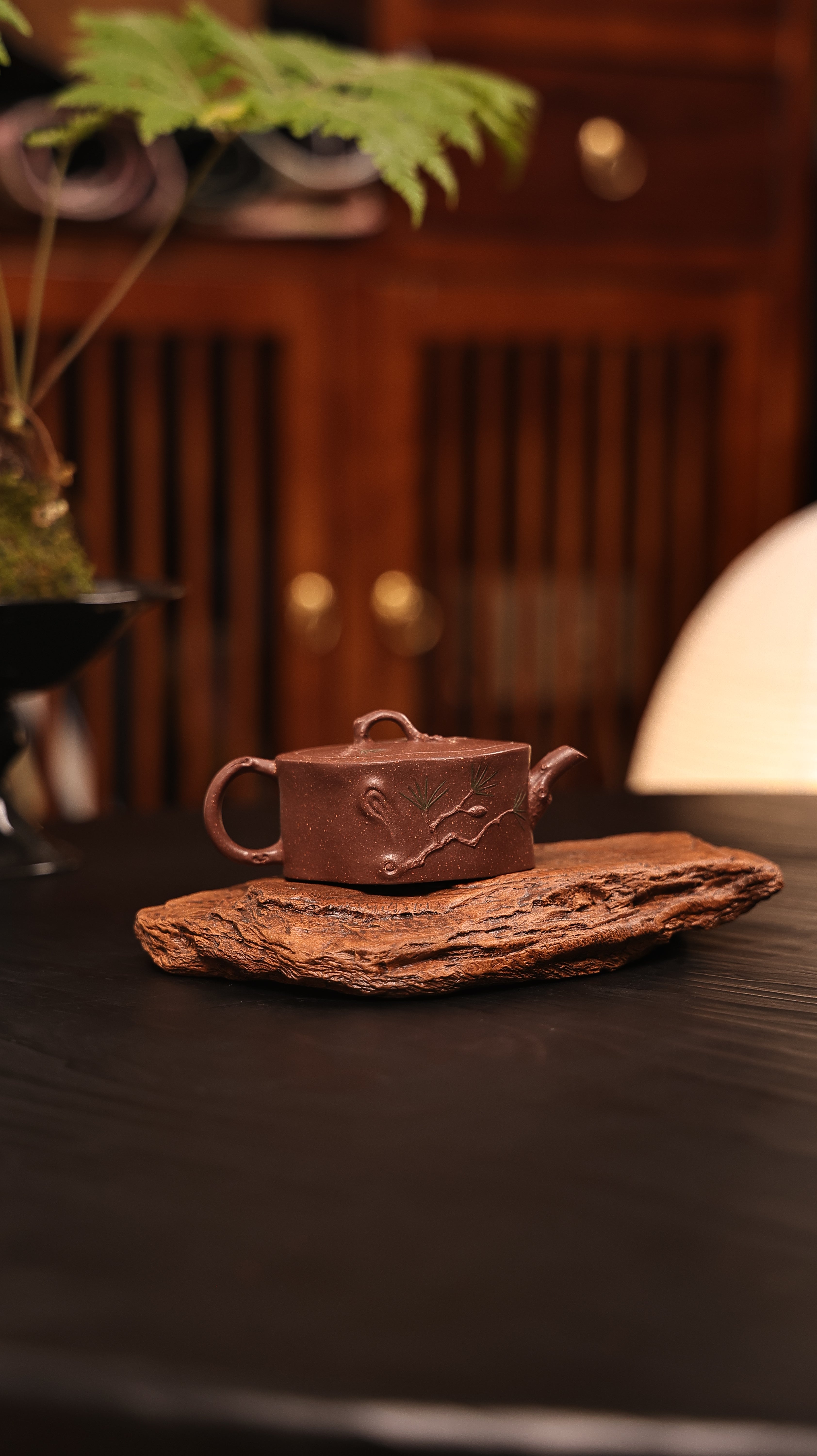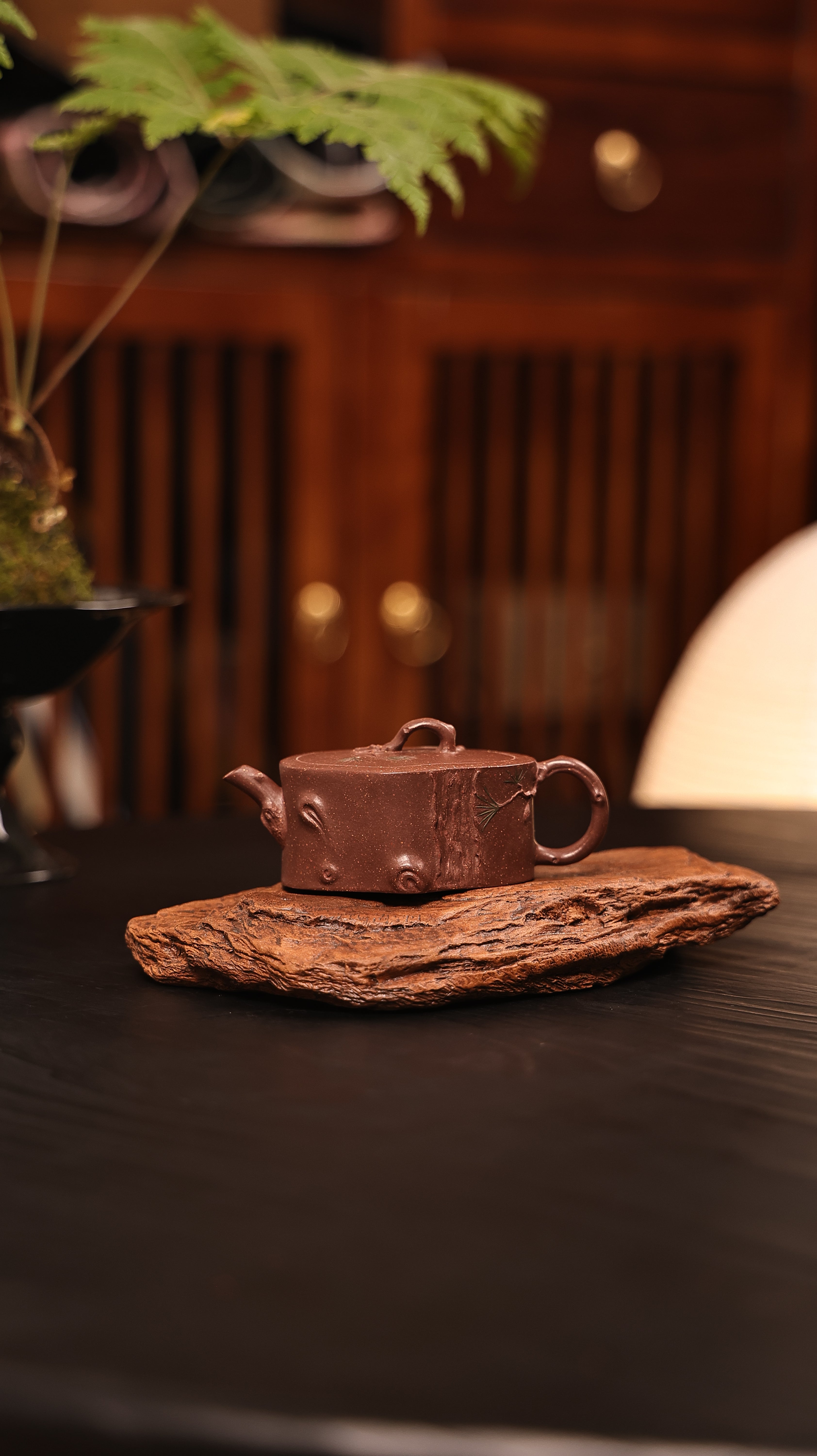
Opening our detailed inspection pertaining to Yi-hsing Tzu-sha teapots offers one absorbing amalgamation featuring artistry together with usefulness.
Yi-hsing Zi-sha clay vessels possess a exceptional appeal towards devotees globally. The fascinating earthen vessels, native from the original Yihsing location adjacent to Jiangsu zone, China, embody more than just brewing tools; they are considered works design beauty and cherished significance. Distinct finely classified clay, known recognized as Zisha, imparts a soft flavor within the tea, and the decorative designs, often showcasing traditional Chinese imagery, make their core value. Gaining a genuine Yixing Zisha teapot presents a pleasing journey, involving careful research and an grasp of the manifold factors influencing its exclusivity.
Delving into Yixing Teapots
Yixing tea vessels boast a vibrant tradition deeply interwoven with Chinese culture. Originating in Yixing, Jiangsu locality, these earthenware are crafted from a unique, porous purple clay found only in that special location. Their creation began during the Ming session, with master craftsmen refining the processes over periods. Distinct types are found, including the classic Hexiang (resembling crab shells), Zhuni (red-brown hue), and Duan Ni (stone-studded) – each with distinctive qualities. The importance of an Yixing tea container isn't solely based on its size or design, but also on the artist’s reputation, the element's quality, and the container’s age and condition. Enthusiasts Purple Clay Teapot often seek out older examples, believing they imbibe the nuance of the elixir brewed within them over time, further adding to their desirability.- Antique Clay Pots
- Chestnut Earthen Pots
- Duan Ni Earthen Pots
Zisha Teapot Mastery: Artistry & Approaches
The manufacture of Zisha teapots represents a height of Chinese ceramic craft. Expert artisans employ traditional techniques, often passed down through generations, to unlock the full essence of this unique clay. Strategies involve meticulous forming by hand, often combined with the looping method, followed by precise baking at incredibly severe temperatures in wood-fired kilns. Illustrating is equally crucial; makers utilize native clay colors and may incorporate embossing work to depict intricate scenes or patterns, demonstrating a profound grasp of the material’s attributes and expressiveness. The finished teapot isn't merely a vessel for tea, but a testament to a substantial cultural custom.
A Claywares: Distinct Guide to Ising Zi-sha
Exploring the world of a teapots commonly opens with Yixing Zisha. These unique clay pots are fashioned from a dedicated type of clay sourced only in the Yixing region of the Jiangsu area province. Distinguished for its typical reddish-purple hue and outstanding characteristics, Zisha clay conveys a refined flavor to the drink and refines with age, evolving into a cherished keepsake. Gathering Yixing Zisha pottery is more than just keeping a gorgeous object; it’s a tribute of tradition and artistry.
Exploring such Clay Pottery: Validity & Enhancement
Investigating the sphere of Yixing Zisha containers can be absolutely fruitful, but entails a careful cognition. Validity is required; plentiful duplications are available, routinely craftily fabricated. Learning about old-fashioned kiln practices, identifying mud traits, and the symbols of reputable makers is thoroughly fundamental. Over and above, acknowledging the finer distinctions of the expansion swing – influenced by determinants such as classical value and the preservation of the component – is fundamental to beneficial purchasing.
- Studying baking origins.
- Engaging authorities for validation.
- Understanding exchange changes.
One Craft of Formulating with a Terracotta Brewer
This original allure of a Zisha kit lies not just in its stunning appearance, but also in its significant impact on the character of the brew. These ancient clay brewing pots, sourced from certain regions of China, possess a basic porosity that delicately interacts with the fluid and leaves, imbuing the drink with a subtle character. Mastering the approach requires a mindful approach, understanding how the substance responds to distinct heat levels and botanical types, ultimately leading to a genuinely rewarding consuming journey.
Upkeeping One's Asset
Proper upkeep of your Yixing pot is vital to securing its longevity. These remarkable teapots, crafted from rare Yixing clay, accrue a texture over intervals that improves their significance. Sometimes rinse the body with pure water, avoiding soap, and never use strong scrubbing tools. Infrequent gentle drying with a delicate cloth can support in wiping away patches. Allow your pot to entirely dry subsequent to each infusion
Explaining Yixing: How These Earthenware Exemplify Outstanding
The renowned appeal of Yixing teapots lies within the particular properties of Clay clay, extracted solely near Yixing, the Memorable Chinese region. This distinct clay, a type of ferruginous earthenware , exhibits a strange combination of components that, through use, imbibe the taste of the brews it holds. This results in a one-of-a-kind bouquet for each ceramic pot, transforming it a rate far above its starting price and leading to their honored status among experts.
Finding the Right Eastern Brewing Pot: A Pottery Directory
Venturing into the world of Yixing clay teapots can feel daunting, but understanding the roots is essential to choosing a sought-after piece. This variety of clay, sourced chiefly from the Yixing zone, the Jiangsu district, is famous for its peculiar permeability and ability to improve the character of the infusion over long haul. Reflect on the outline, the tint, and the overall aesthetic; a legitimate Zisha teapot is more than just a container; it's a decorative object and a representation of historic culture. Examine the stamp of the artisan for clues to its lineage and potential standing.