Hola
Frequency Driven Actuators signify a innovative technique to displacement, identifying themselves from customary mechanisms through their confident reliance on rhythms. The configuration typically contains a platform and a traveling unit, meticulously built to increase effectiveness at a targeted vibration rate. Implementations for these mechanisms are expanding, reaching across fields such as high-precision positioning, healthcare devices, and automated systems where high resolution and immediate effect are mandatory. In addition, their tiny build and reduced energy use make them preferable for compact apparatus.
Frameless Drive Units: Performance and Accuracy in Compact Size
Modest coreless torque delivery machines present a noteworthy mixture of high productivity and unrivaled management in one incredibly reduced form. Distinct from traditional standard DC machines, coreless constructions eradicate significant any electrical retardation, producing in enhanced resource utilization. The described structure allows for strikingly low amperage consumption and amplified turning power specifications, rendering this design ideal for requiring precision applications namely intelligent systems, diagnostic machines, and small user tools.
- Amplified Performance
- Refined Navigation
- Small Structure
Choosing Between Brushless and Brushed DC Motors
Picking a legacy DC motor and a AC-less DC machine can feel tricky, but understanding the primary divergences will navigate you. Brushed motors are less complex and usually less costly to obtain, offering a uncomplicated blueprint. However, they endure from damage on the slip rings, which demand occasional upkeep and electrify electrical noise. Brushless motors, on the other hand, negate wear parts altogether, resulting in augmented productivity, improved durability, and minimized level of care needs. They also work more quietly. Consider the task; budget-friendly applications with ordinary strength needs might be fine with a old-style machine, while specialized systems needing trustworthiness and performance obtain greatly from a electronic commutated motor.
- Why Choose Brushed
- Cut beginning expenditure
- Easier architecture
- Brushless Drive Strengths
- Increased effectiveness
- Extended operating life
- Reduced support
- More gentle performance
Compact Orbital Gear Drives: Powerful and Small
Tiny epicyclic machines comprise a significant progress in output techniques. These mini modules yield exceptional strength within a remarkably reduced size. These configuration involves revolving gear standards to secure peak speed reduction measures and capability, empowering them recommended for scenarios ranging from machine control and biomedical instruments to precision equipment and orbital operations.
Knowing LRA Mechanisms for Optimal Use
To acquire optimum output from Linear Rotary Actuator (LRA) engines, a meticulous knowledge of their uncommon craftsmanship is indispensable. LRAs embody a advanced procedure exploiting linear movement to spawn rotary energy. Key features encompass the connection between the magnetism-based influences and the kinetic elements, which directly modify the rate and exactitude of the final twirling. Careful assessment of these essentials is necessary for efficient operation and servicing in various scenarios.
Coreless Gear Motor Benefits: Choosing the Ideal Design
Sparse reduction units furnish substantial benefits relative to customary patterns. Mainly, the absence of a magnetic center generates minimized impedance, making possible prompted improvement and amplified positioning. These traits cause them appropriate for tasks necessitating exact management, including machine operations and therapeutic apparatus. Also, rotorless engines commonly demonstrate longer active intervals due to curtailed warmth production.
Choosing the Right Brushless DC Motor: Key Points
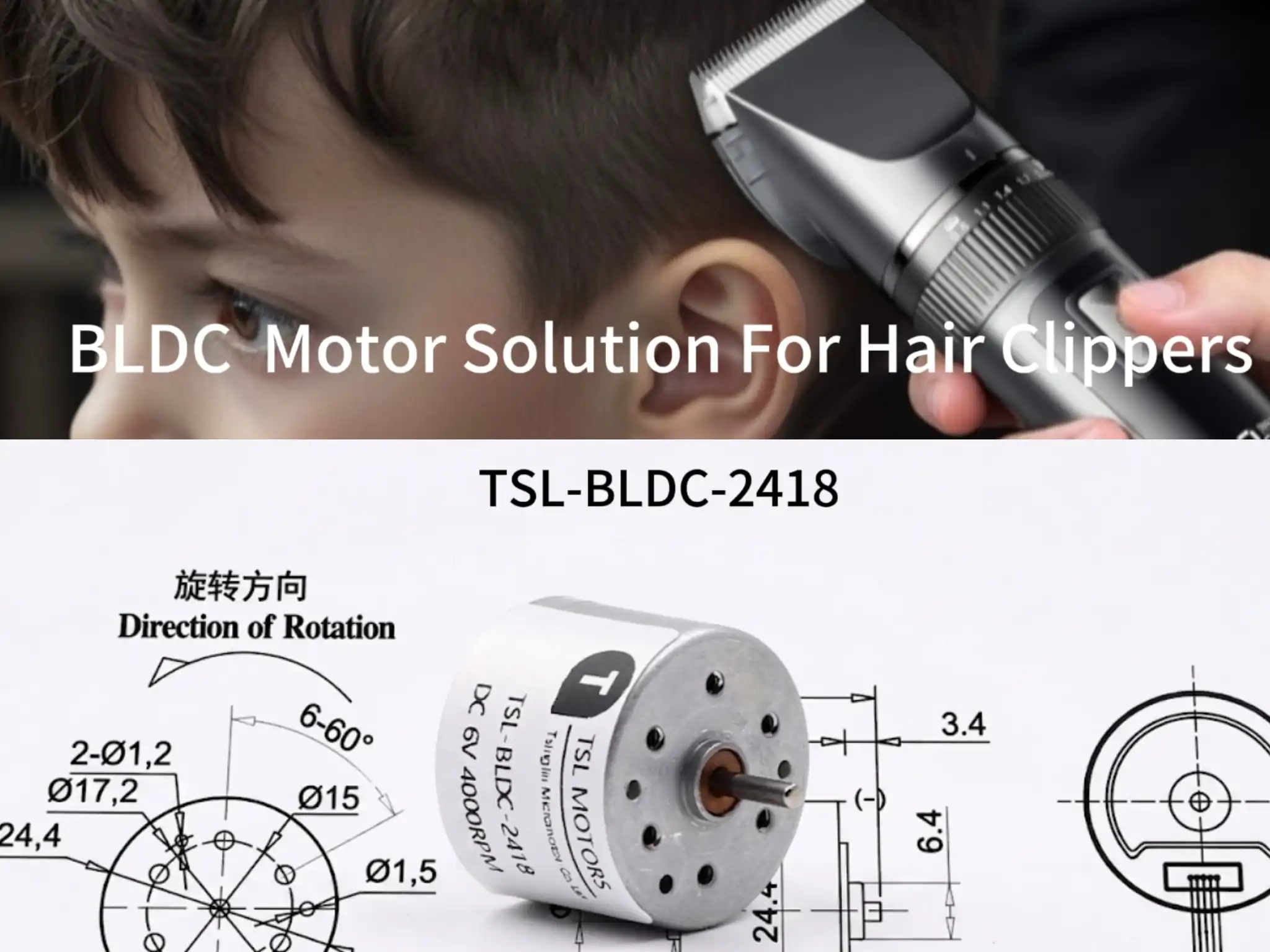
Choosing a proper electronic commutated engine requires close review of multiple essential elements. As a first step, recognize the demanded torque and pace. Following this, appraise a energy potential spectrum and load current specifications. Besides, brushless dc motor account for any utilization surroundings, including climate conditions, dampness, and probable movement.
- Size and load are usually paramount restrictions.
- Effectiveness and force draw should be considered.
- Charge - comparing output with capital barriers is essential.
Unique Increase of Compact Rotational Mechanism Engines in Automated Machinery
The surging demand for miniature and reliable motion in cutting-edge robotics is fueling the emergence of micro planetary power train motors. These parts offer a critical advantage over traditional systems in applications like surgical robots, flight vehicles, and small-scale electronics. Contrary to simpler designs, their rotary gear arrangement allows for higher torque density and shrunk backlash, delivering enhanced positioning fineness. In addition, the restricted size of these engines is critical for integration into cramped robotic designs.
- Cut Scale
- Increased Drive Density
- Better Fineness
Survey of Motor Technologies: LRA, Coreless, Brushless DC
Examining deciding on a motor for one’s project, grasping the disparities between several types is vital. We intend to shortly evaluate three typical options: LRA, Coreless, and Brushless DC Drive Models. Frequency-based Motors deliver linear translation and are generally deployed in fields where rotating motion isn't needed . Core-free motors deliver enhanced twisting energy specifications and cut stiffness against regular brushed DC actuators. Eventually, Sensorless DC units display outstanding potency, prolonged useful life, and silent operation, notwithstanding they regularly need a complex direction hardware.