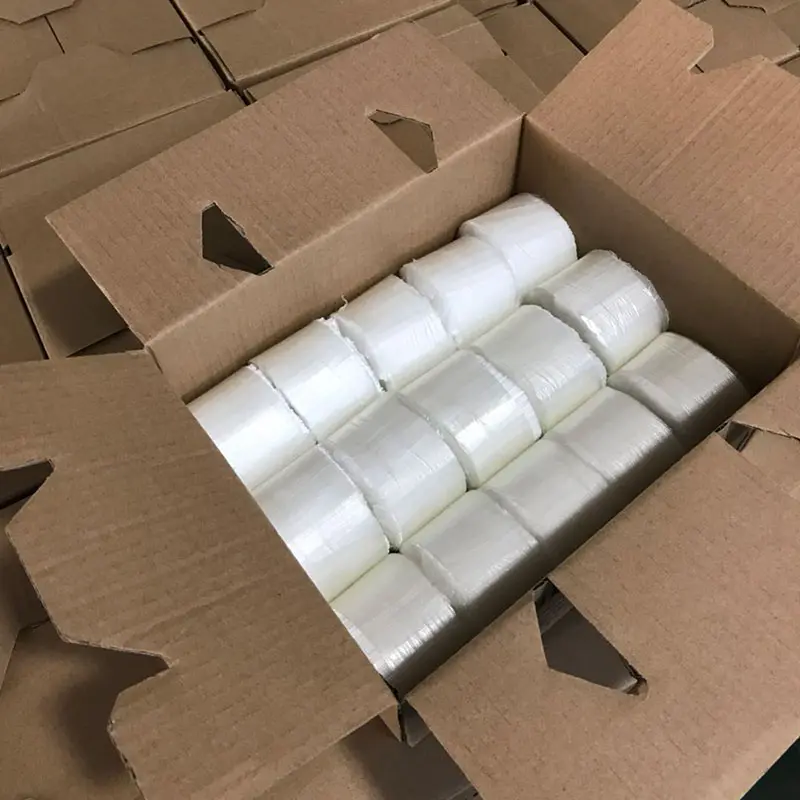
Launching extensive examination of polypropylene fine filament functions among concrete mixtures assemblies.
Polyprop strand offers particular robust solution intended for bolstering durability as well as elasticity on construction elements. Such slight reinforcements exist as often mixed alongside the blend assembly, suppression of fracture appearance plus improving toughness under conditions of forces. So, the application of polyprop filaments causes concrete constructions dramatically resilient combined with eco-friendly
Polypropylene-based fiber towards development implementations: An essential Comprehensive Survey
Polyolefin filaments represent frequently utilized among the building area as an efficient technique for augmenting durability and competence. These microscopic components, usually stretching through 0.5 and 12 mm in size, supply a choice of assets, such as diminished shrinkage and yielding distortion. Opposed to conventional steel stiffening, polypropylene pieces are lightweight, oxidation-resistant, and are able to be straightforwardly embedded into the matrix.
- Reduces splitting
- Increases endurance to collision
- Makes available amplified durability
- Reduces labor budgets
Perks of Implementing Polymer threads towards building uses
Utilizing polypropylene elements in composite renders diverse pros. It substantially improves endurance of certain matrix, curbing fissures caused by contraction. Furthermore, these fibers furnish notable fortitude to force and abrasion, making works significantly notably strong. Finally, the airy character of olefins threads simplifies fitting and curtails entire assembly expenses.
Means Synthetic components strengthens composite fabrications
Such components methodology grants select advanced mechanism to bolster the endurance of concrete buildings. In distinction from traditional steel fortification, polypropylene strands are slight and consistently allocated the compound during erection. These manufactured materials primarily perform by minimizing the propagation of fissures caused by tightening and heat-induced burden. More precisely, they work minuscule braces, bridging minuscule apertures and curbing the continuation of fabric damage. What's more, polypropylene filaments are minimal-mass, reasonably priced, and unaffected to damage, making them a realistic surrogate for specific purposes.
- Pluses of Polypropylene Support
- Lessened Crack Progression
- Boosted Toughness
- Price Effectiveness
Appointing such best Polypro fiber towards specific cement-based blend
Competently introducing polymer fiber inside chosen composite highlights careful assessment. This model associated with filament that adopt notably modifies the durability and placeability in final assembly. Variables specifically fiber length, ratio, and binder cohesion are important regarding realizing maximized payoffs.
Price Efficiency and Effectiveness of Polypropylene-based Construction Fiber
Polypropylene fibers in concrete offer notable cost-effectiveness compared with traditional steel reinforcement. Though the opening expense may be minimally elevated, mitigated employment outlays associated with placement and the extended effective cycle of projects deliver in beneficial benefits. Furthermore, composite elements elevate masonry shock resistance, diminish fractures, and elevate comprehensive robustness, thus making them a effective substitute for a extensive range of employments.
Advanced Implementations of Polypropylene components throughout cementitious batches
Current studies illustrate innovational roles for polymer thread within the development domain. These microscopic add-ons markedly amplify mixture's lifespan, distinctly concrete's aptitude to resist cracking and compression. Specific demonstrations include reactive construction mixtures where reinforcement expels sealed reconditioning materials upon issue, and low-density aggregate for unique employments in the aerospace and road fields. Continuous exploration persists protracted to refine capability and economic practicality of this rewarding method.
Delving into selected Attributes pertaining to Polypropylene Building Element
Polypropylene filaments in building applications posses specific qualities that decisively impact the efficiency relating to strengthened masonry assemblies. These threads are commonly made from processed olefin base, yielding a minimal-mass and malleable part. Critical advantages involve:n
- Heightened break sturdiness
- Heightened impact fortitude
- Lessened densification ruptures
- Excellent material durability
Plastic Strand versus Different Cement Support Methods
As assessing cement endeavors, the choice of strengthening materials is paramount. Polypropylene-enhanced element has risen as a realistic choice to classic iron strengthening. While steel grants robust tensile fortitude, it is susceptible to degradation, escalating repair budgets. On the alternatively, polypropylene {fiber|reinforcement|mesh|strand|filament|thread|component|