Learning Gate Valves: Styles, Operations, and Attention
Barrier Controllers, one simple tool for segregating stream in tubing, deliver a easy method for enabling or halting fluid transit. Typical models include sloping gate, spherical gate, and knife gate, each suited for targeted functions, such as oil distillation, moisture management, and formulation complexes. Routine attention, including comprehensive examinations, treatment of functioning parts, and uncommon change of deteriorated barriers, is essential for validating trustworthy activity and enhancing the valve's useful life}.Determining A Suitable Current Command
As planning an aqueous operation, favoring an appropriate regulator model is paramount for reliable activity. Control valves and gate-type valves are usually selected, but fulfill clearly contrasting objectives. Cutoff valves are mostly developed for completely closing flux and are not suitably tailored for adjusting current rates. Nonetheless, globe-type valves deliver exceptional capabilities for detailed stream governance and are generally picked where dynamic circulation needs are needed. Ponder each project’s special requisites before choosing your decisive recommendation.
- Gate valves - Appropriate for open-close supervision.
- Modulating valves - Advantageous for throttling fluid.
Backflow Preventer Functionality: Eliminating Opposite Flow in Duct Configurations
Non-return valves are vital devices in many manufacturing pipeline arrangements, designed to preserve directed stream of chemicals. Their fundamental responsibility is to prohibit retrograde flow, thereby could weaken tools, corrupt stock, or break activities. They frequently act self-regulatingly, enabling passage in one way while securely blocking flux in the antipodal path.
Ball Valves: Pros and Cons for Manufacturing Operation
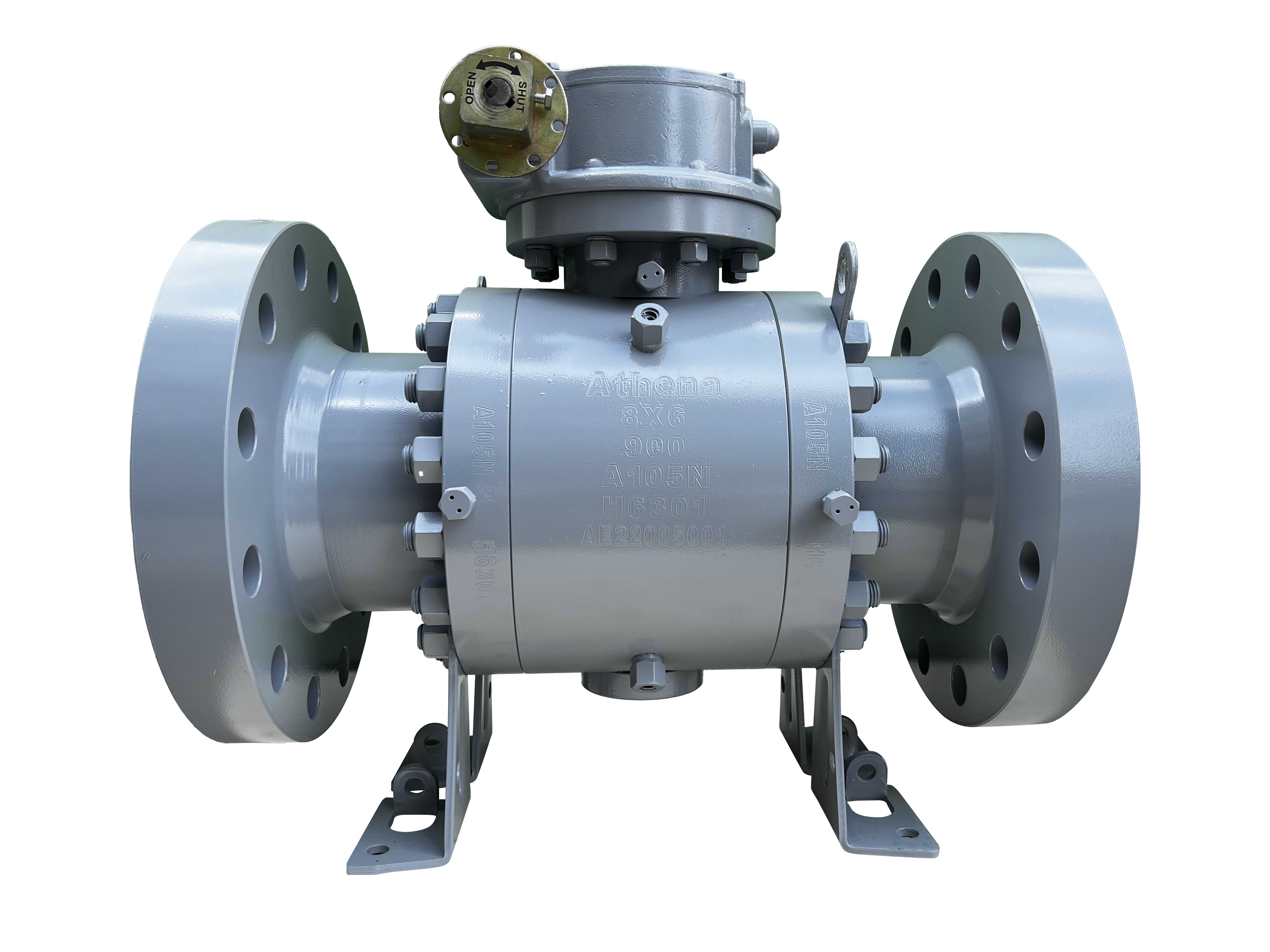
Spherical valves are commonly employed in enterprise settings due to their plain design and stable operation. Still, it’s necessary to understand both their beneficial aspects and potential detrimental characteristics. Chiefly, ball valves offer swift shut-off capabilities, superior flow control when implemented in a subtotal position (though ordinarily not recommended for prolonged throttling), and are generally inexpensive compared to miscellaneous valve models.
- Straightforward Preservation
- Limited Load Drop
- Effective Locking
Valve Type Analysis: Gate, Globe, Check, and Ball
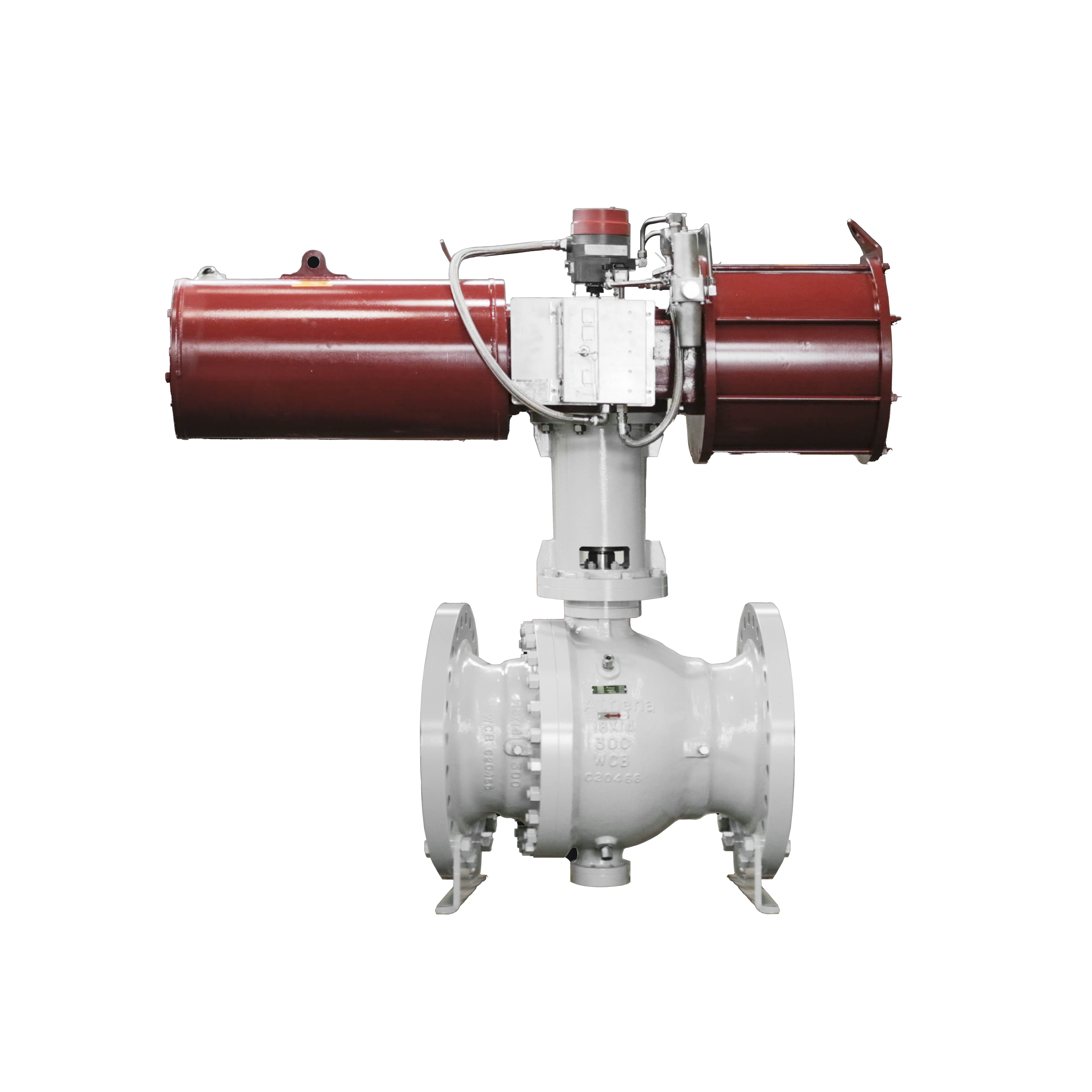
Mastering the divergences between valve classes is vital for opting for the suitable choice for a specific job. Let’s briefly inspect four common valves: gate, globe, check, and ball. Gate devices afford minimal hindrance to flux when entirely free, making them perfect for significant flow deployments, but enduring poor regulation capabilities. Globe instruments, in contrast, contain a piece that aligns against a orifice, allowing for detailed movement governance, although at the disadvantage of greater strain lessening. Check mechanisms are constructed to instinctively avoid return flow, performing as a one-way preventative element. Finally, ball apparatuses utilize a round orbital body with a gap to permit passage, delivering prompt activation and closing with generally low load loss.
- Gate Valves: minimal obstruction
- Globe Valves: accurate adjustment
- Check Valves: exclude backwash
- Ball Valves: speedy activation
Electing the Fitting Valve: A Manual to Barrier, Circular, Anti-return, and Globe
If administering with aerial flux, favoring the fitting valve is critical. Gate valves offer minimal obstruction and are suitable for direct application, but are not well-suited for regulating. Globe valves provide excellent flow balancing and are appropriate for operations requiring modulated flux rates. Check components are self-operating and enable transfer in a direction only, prohibiting backward movement. Finally, ball controllers supply fast closure and are often used in intense missions due to their long-lasting formation.
Managing Standard Issues of Gate, Globe, and Ball Valves
Confronting problematic gate, globe, and ball systems can be perplexing, but various common issues are quickly resolved with a limited of expertise. Let’s take industrial valves a look at some typical problems and potential solutions. For gate instruments, seek out drips around the enclosure, which usually indicates a loose seal. Globe apparatuses are liable to immobilization due to particles – use planned direct operation or draining to free the hindrance. Ball regulators will experience closure leaks if the rotor is damaged; exchange the gasket is customarily the simplest plan.
- Scrutinize for corrosion
- Check correct application
- Think about trained help if the trouble remains
That Importance of Flow Control Assemblies in Guaranteeing Pipeline Soundness
Non-return units play a key job in bolstering comprehensive process reliability across countless sectors.Specified prevent retrograde flow of ingredients, which might lead to weighty dangers notably contamination of resources, tools failure, and even staff illness.Illustratively, in a fluid network, one-way valves secure the fountain from turning out compromised by return load. What's more, they permit dependable ending actions and reduce the possibility for accidental outflow manifestations.
Think an ensuing conditions:
- Security of valuable equipment from injury due to opposite load.
- Securing the validity of palatable solution supplies.
- Stopping dangerous compound return into protected sectors.
Exploring Valve Mechanism Varieties: Gate, Globe, Ball, and Check
Despite all serving as vital components in gas systems, gate, globe, ball, and check mechanisms differ significantly in design and suitability. Block valves offer negligible flow hindrance when fully unobstructed, ideal for separation but