Miner Fleet Scaling From 10 Units to a Container
Scaling from 10 units to a container changes the entire Miner decision. At small scale, a buyer may solve problems manually. At container scale, power, airflow, monitoring, spare parts, and maintenance workflow must be designed. A strong J/T number is important, but fleet management is what keeps machines earning.
For 10 units at 3.5 kW each, machine load is 35 kW. For 100 units, it is 350 kW before fans and overhead. At USD 0.06 per kWh, the 100 unit fleet consumes about USD 504 per day in machine electricity. If an efficiency upgrade saves 0.4 kW per unit, that is 40 kW saved, or USD 57.60 per day at the same rate.
Mining Accessories scale too. PDUs, cables, shelves, filters, exhaust fans, switches, monitoring systems, spare hashboards, control boards, and repair tools need inventory rules. A missing spare fan can reduce uptime across multiple machines.
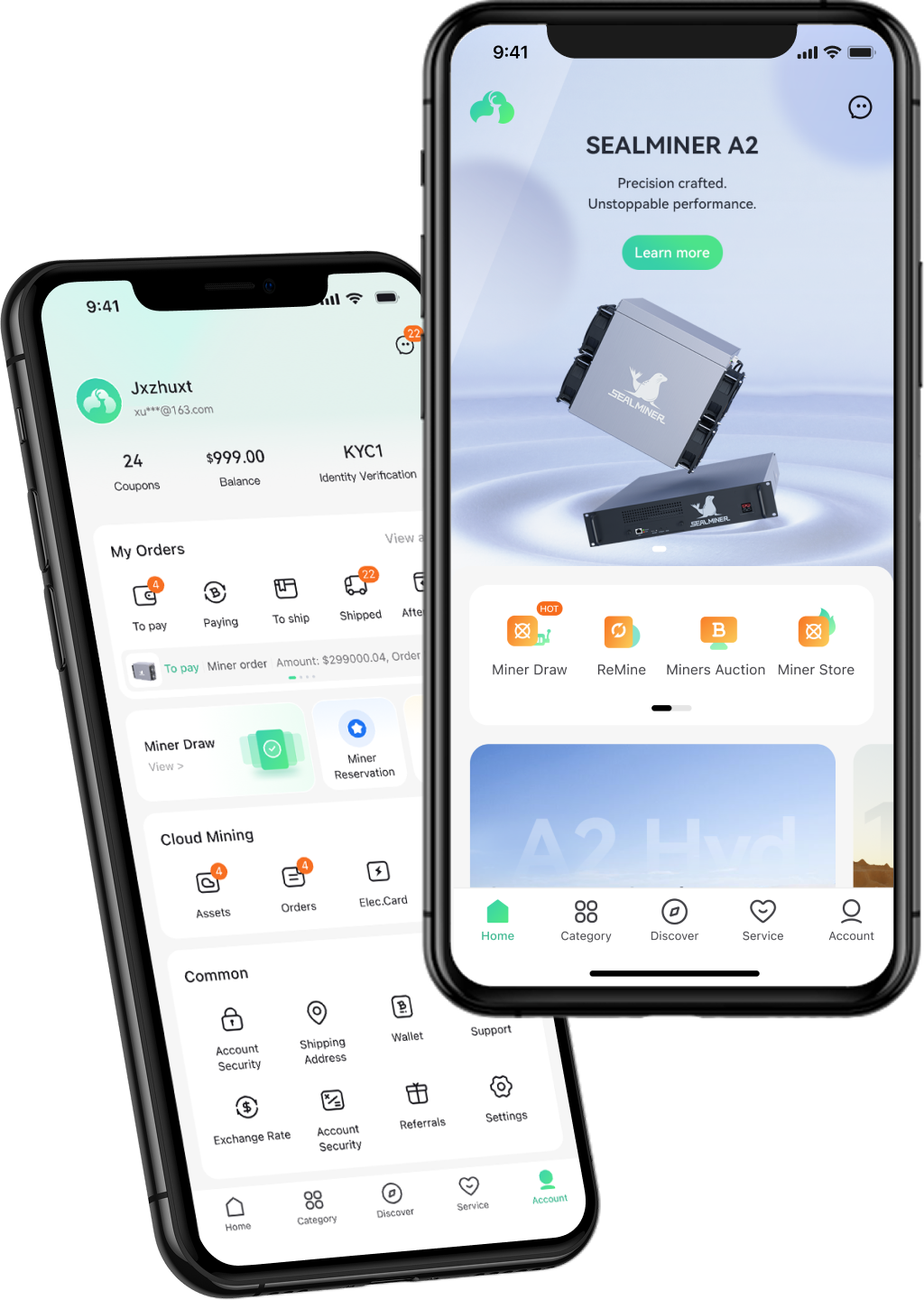
SEALMINER models should be compared by performance, heat profile, firmware, warranty, and delivery batch. Minerbase can support procurement and deployment planning when buyers move from scattered machines to structured mining capacity.
Mining Pre-Order can support fleet expansion if the site timeline is clear. The buyer should compare pre-order savings with the value of immediate online hashrate.
Cloud Mining remains a different path for retail users who want exposure without facility work. GPU Cloud is compute rental and should not be counted as ASIC mining output. A Litecoin miner and Dogecoin mining strategy may fit Scrypt focused operators, while SHA-256 fleets require different assumptions. Scaling is mainly about Mining Pre-Order repeatable operations: stable power, clean airflow, monitored uptime, and honest payback math.