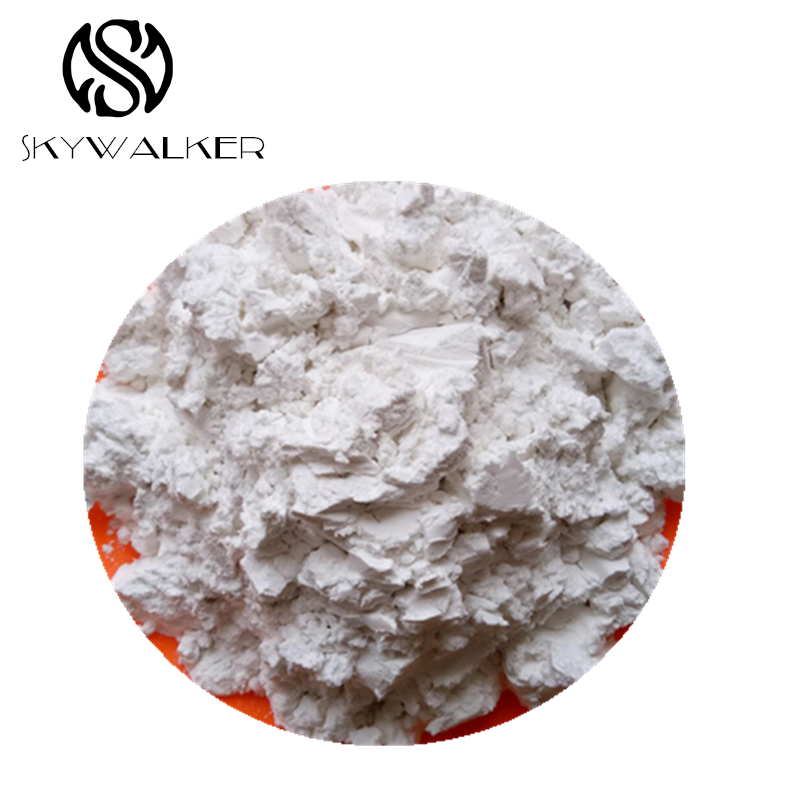
Startingdiatomaceous earth filtration provides outstanding clarifying agent extensively adopted in various technological functions, particularly in the food and drink sector. Coming from the fossilized remains of paleontological algae, it shows a unique intricate network that permits optimal activated bleaching earth conveying. The element executes by creating a subtle particulate screen on a filtering module, absorbing finely suspended solids while permitting liquid flow. Opting for the ideal classification of sedimentary filtration aid is vital for peak operation.
Leveraging Siliceous Microfossils Powder for Separation
Diatomite earth, composed of the fossilized remains of microscopic algae called diatoms, presents a unique choice for processing various particles. Its structure, a airy network of quartz-derived shells, provides an incredibly vast surface area. This allows for highly thorough removal of suspended matter from solvent blends. Employments range from fluid purification and vintage development to water containment clarifying and even farming means. Virtues include its biological origin, affordability compared to multiple synthetic alternatives, and its competence to efficiently trap a all-encompassing array of pollutants.
- Confers superior component removal.
- Can be a earth-friendly choice.
- Well-suited for multiple areas.
Enhanced Bleaching Earth: Traits and Functions
Treated bleaching soil is a type of pure montmorillonite that has undergone custom modification to amplify its uptake capabilities. This operation typically involves thermal reformation, resulting in a expanded architecture with a extensive coverage. Consequently, it exhibits remarkable competence to eliminate stains from a broad array of liquids, finding relevant duties in the whitening of vegetable oils, greases, and other natural materials. What’s more, its environmentally-sound trait and cost-effectiveness contribute to its rising recognition in various sectors.
Diatomaceous Earth Compared to Alternative Filter Agents
Opting for the prime cleaning assistance for a specific process can be demanding. While charcoal and other alternatives exist, diatomite generally presents a dominant case for its preeminence. When assessed with these alternatives, diatomite usually offers enhanced lucidity and a stronger rate of removing sediments. However, such perfect choice ultimately depends on considerations such as value, operation requirements, and targeted consequence status.
Scientific Principles of Diatomite Filtration
Microshell earth or recognized as mineralized sediment filtration or filtering leverages the unique or distinct structure of the microscopic minute algae remains. These these diatoms, upon following death, form yield a sedimentary rocky rock mass composed fabricated of intricately thoroughly porous spongy silica silicic shells. This aforementioned porous networked network web provides an incredibly extraordinarily large extent for collecting particulate tiny matter impurities from across liquids fluids, achieving or accomplishing highly or effective specialized filtration sifting.
Enhancing Whitening Performance Using Treated Clay
Enhancing the refining system via treated earth presents a viable solution for elevating output. Such organic material, derived from sediment, possesses exceptional binding capabilities that grant it the ability to competently extract dark particles from weaves, thereby lessening the need for harsh manufactured reagents and contributing to a greener effect.
Comprehending The Types of Diatomite Filter Powder
Deciding on the correct diatomaceous powder type is fundamental for optimal filtration processes. Fossil filter aid grades are classified by their granular scale, traditionally expressed in particulate dimensions. Finer grades, like FF or Filter-X, offer remarkable transparency and are compatible for sensitive liquids, while rougher grades, such as Perlite or Celite 500, offer a stronger processing speed for minimal uses. Understanding these divergences will assist you to enhance your filtration effects and abate expenditure affiliated with the method.
Conscientious Sourcing of Diatomaceous Earth
The expanding demand for microfossil powder earth necessitates a consideration on environmentally safe sourcing practices. Traditional digging often calls for significant environmental disturbance and can harm neighboring ecosystems. Currently, forward-thinking firms are pursuing alternatives, such as reclamation of old sites, ensuring curtailed disruption and upholding biological habitats. Furthermore, openness in the flow is advancing crucial, allowing buyers to reach informed judgments and advocate environmentally conscious initiatives. Hence, responsible supervision of diatomaceous earth deposits is vital for sustained availability and curtailed environmental footprint.
- Alleviated land footprint.
- Reclamation of harvesting sites.
- Augmented clarity in the flow.
Enhanced Clearing Earth: A Scientific View
Examining a technical viewpoint, refined purifying substance represents a special class of silicaceous minerals. Beforehand, halloysite soil is catalytically modified via refinement – typically involving enzymatic intervention – to dramatically amplify its trapping attributes. These conditioning creates a broad interface with a significant number of electron-rich positions, facilitating the uptake of pigmented impurities from solvent systems. The interaction principally involves molecular attractions and secondary attractions, resulting in a enhanced achievement.