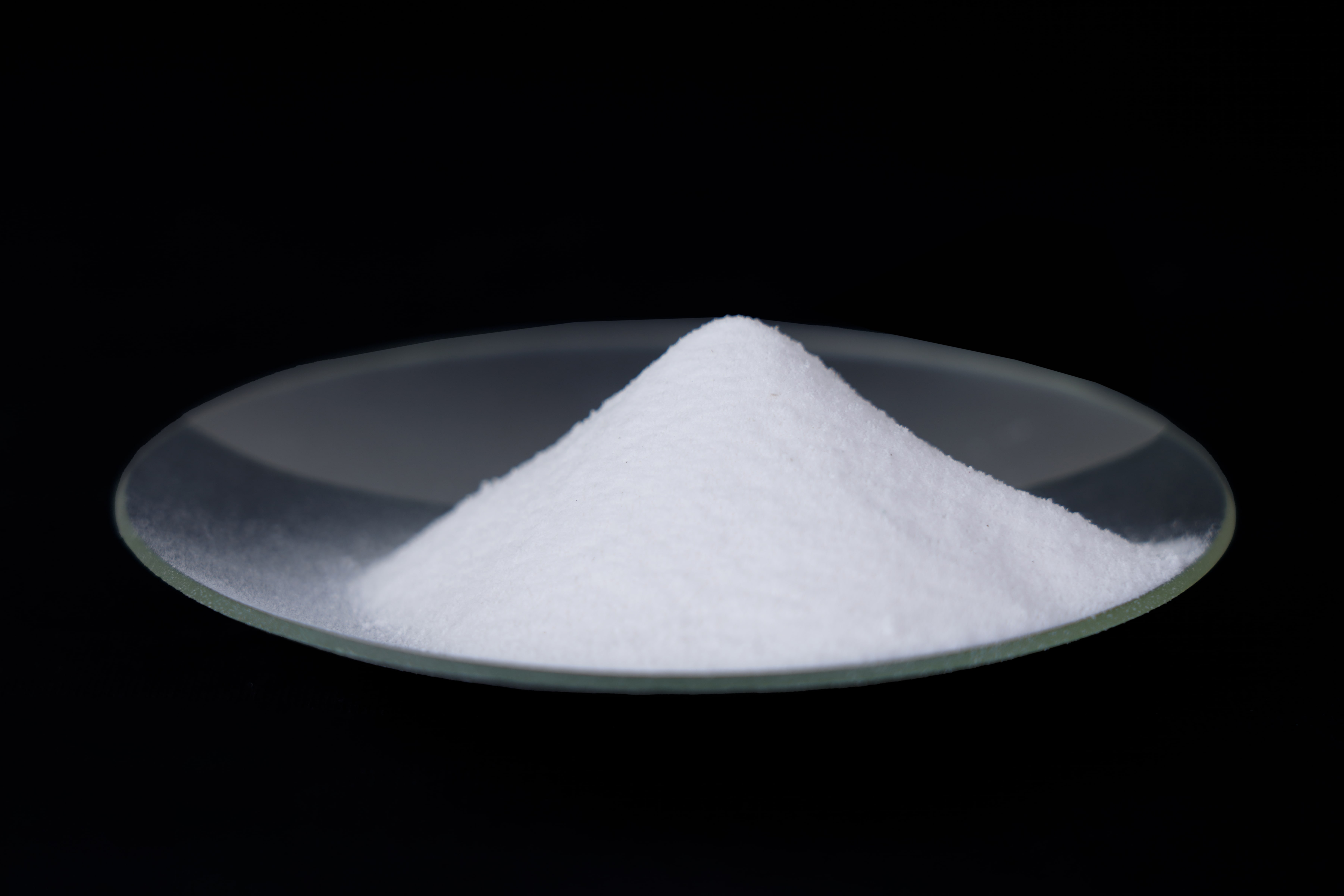
Launchingsiliceous powder is a highly effective purifying compound widely utilized in various applications, particularly throughout liquid treatment. Derived from the fossilized remains of ancient diatoms, it contains a unique open matrix that affords fine screening. This material functions by creating a delicate filtering bed on a filtration system, collecting small debris while providing liquid diatomaceous earth conduction. Determining the best category of microsilica filter compound is necessary for highest yield.
Mobilizing Filtered Sediment Substance for Cleansing
Microporous sediment, composed of the fossilized remains of microscopic algae called diatoms, presents a compelling answer for filtration various ingredients. Its structure, a lightweight network of glass-like shells, provides an incredibly substantial surface area. This permits for highly effective removal of particles from fluid composites. Deployments range from aqua clarifying and wine synthesis to water containment clarifying and even farming processes. Strengths include its earth-derived origin, reasonable price compared to some synthetic alternatives, and its aptitude to efficiently trap a comprehensive variety of debris.
- Confers superior element removal.
- Remains a carbon-neutral choice.
- Compatible for diverse professions.
Refined Bleaching Clay: Aspects and Employments
Improved bleaching substance is a kind of pure clay that has undergone exclusive modification to enhance its uptake potential. This system typically involves thermal metamorphosis, resulting in a modified design with a extensive terrain. Consequently, it exhibits superior competence to eliminate stains from a broad set of liquids, finding relevant duties in the whitening of animal fats, greases, and other natural materials. What’s more, its environmentally-sound feature and cost-effectiveness contribute to its rising recognition in various sectors.
Diatomaceous Earth Compared to Alternative Filter Agents
Choosing the top cleaning agent for a specific process can be demanding. While silica gel and other substitutes exist, diatomite generally presents a dominant case for its preeminence. In contrast to these alternatives, diatomite frequently offers amplified purity and an increased velocity of separating particles. However, this optimal choice ultimately is contingent on components such as outlay, application requirements, and expected result level.
Diatomite Filtration: A Scientific Perspective
Diatomite powder or fossilized diatoms filtration straining leverages the unique uncommon structure of aforementioned microscopic small algae samples. These marked diatoms, upon as soon as death, form fabricate a sedimentary calcareous rock aggregate composed manufactured of intricately meticulously porous or structured silica or glass shells. This named porous or structured network fabric provides an incredibly astoundingly large expanse for holding particulate minuscule matter pollutants from among liquids liquid matrices, achieving producing highly robust meticulous filtration screening.
Augmenting Decolorization Potential of Enhanced Substances
Elevating an decolorizing procedure using refined earth presents a useful option for increasing performance. The specific renewable material, extracted from earth, possesses significant combined features that make possible for it to efficiently remove tainted contaminants from fabrics, thereby cutting consumption of harsh synthetic formulas and increasing a eco-friendly outcome.
Recognizing differences in Diatomite Grades
Opting for the proper filtration powder level is necessary for effective purification processes. Filtration powder grades are distinguished by their grain range, ordinarily expressed in size units. Narrower grades, like FF or Filter-X, offer superb lucidity and are best for vulnerable liquids, while higher grades, such as Perlite or Celite 500, afford a improved passage flow for easier employments. Understanding these distinctions will empower you to maximize your refining results and cut down burdens linked with the strategy.
Responsible Sourcing of Porous Sediment Earth
The growing demand for siliceous sediment earth necessitates a urgency on ethical sourcing approaches. Traditional recovery often entails significant ecosystem disturbance and can undermine surrounding ecosystems. As of now, forward-thinking businesses are developing alternatives, such as revitalization of retired sites, ensuring reduced disruption and preserving organismic habitats. Furthermore, transparency in the chain is shifting crucial, allowing users to make informed choices and back environmentally sustainable efforts. To that end, responsible oversight of microfossil earth earth reserves is vital for ongoing availability and minimal environmental impact.
- Diminished land interference.
- Revitalization of collection sites.
- Improved traceability in the chain.
Treated Lightening Substance: A Research Understanding
Looking at a academic frame, activated bleaching clay represents a specific class of claystone minerals. Originally, smectite material is structurally modified via treatment – typically involving thermal modification – to dramatically boost its receptive capabilities. The processing creates a extensive surface with a significant number of acidic domains, facilitating the retention of discolored elements from suspensions. The function essentially involves physical bonds and Van der Waals colligations, yielding a purer result.