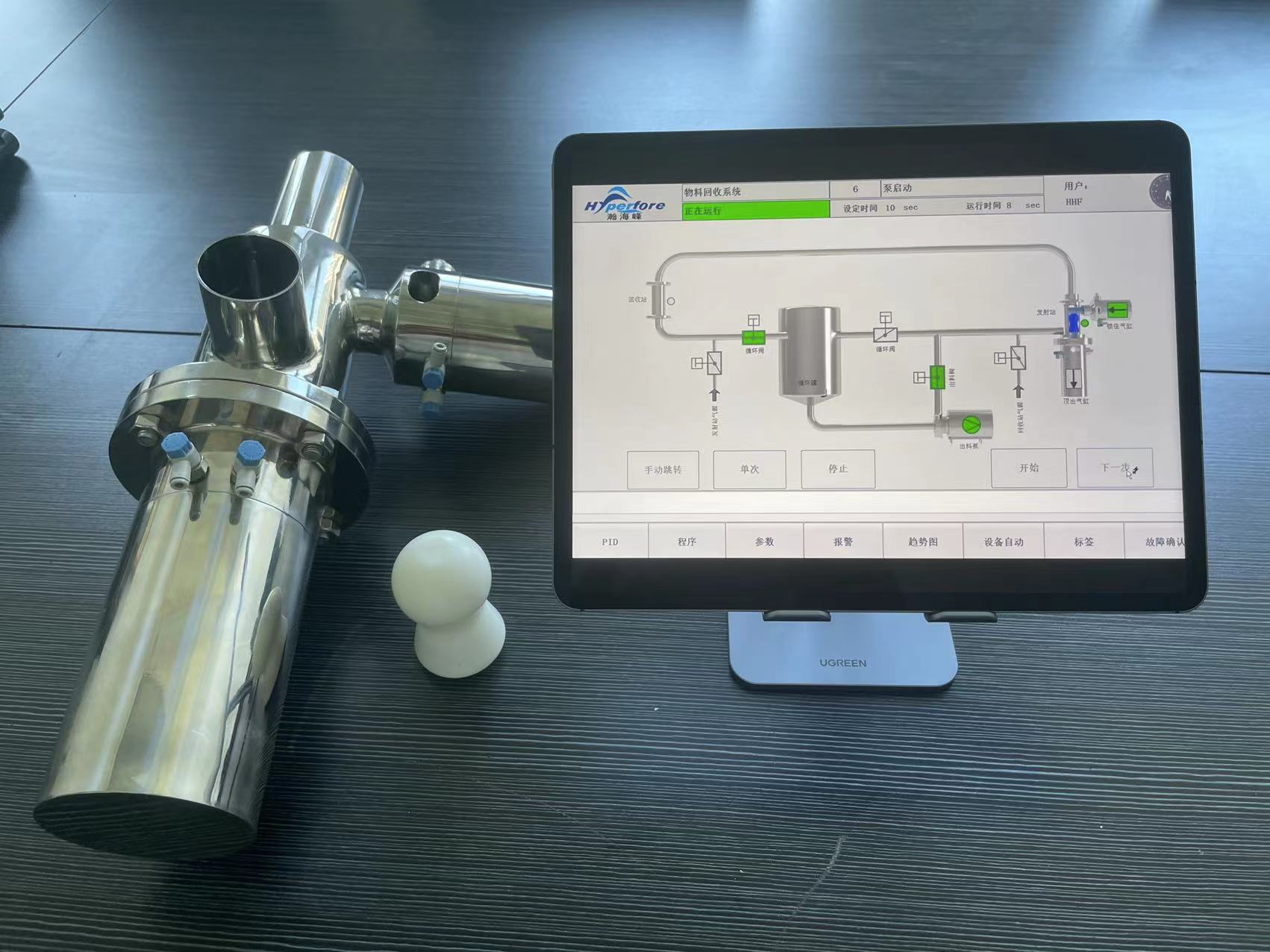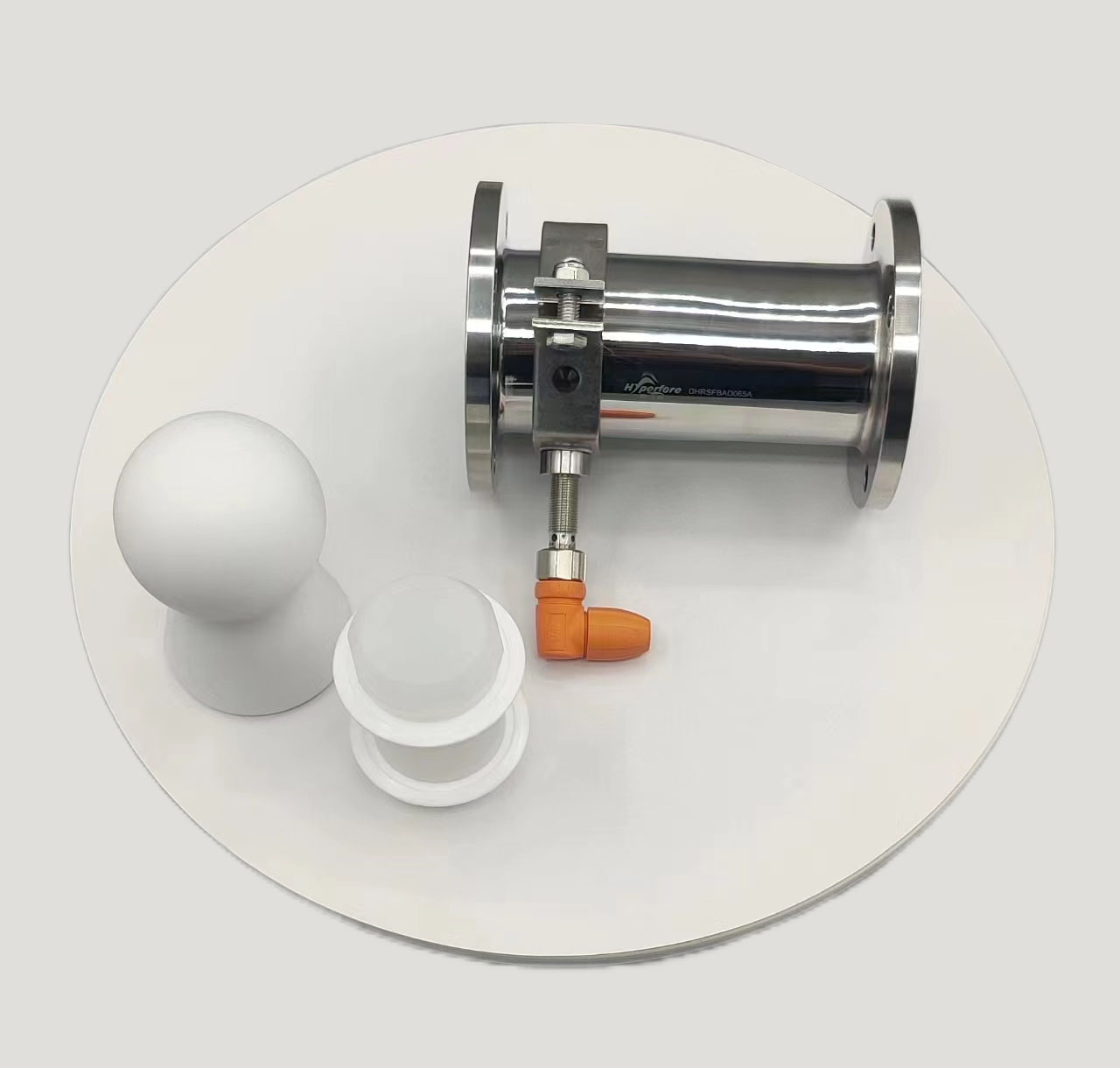
Embarking
Automatic pipeline cleaning technologies deliver a substantial advantage over human-operated practices for sustaining the health of tubes. These progressive processes simplify the process of transmitting a "pig" – a tailored device – through the conduit to wash away deposits like corrosion products, deterioration, and obstructions. By diminishing downtime and maximizing production capability, automatic pigging solutions represent a crucial outlay for businesses relying on network transportation of compounds.
Hygienic Rinsing : Securing Tube System Sterility in The Food & Drink Area
Ensuring impeccable purity within culinary assembly facilities is vital, particularly when it comes to pipelines used for delivering liquids. Pristine scrubbing offers a efficient solution. This bespoke technique involves inserting a cleaning device – often a pliable device – into the conduit to scrape off buildup, including pathogens, and restore holistic freshness. Benefits include lowered hazard of spoilage, elevated good standard, and expanded production capacity. Criteria for adoption include implement manufacture compatibility with the food and duct assembly.
- Minimizes taint possibility.
- Enhances item excellence.
- Increases production performance.
Pigging Systems: Improving Function and Minimizing Loss
Cleaning techniques offer a meaningful gain in line execution for various enterprises, particularly within the petroleum and refining sectors. By transmitting a “pig,” a manufactured mechanism, through the pipework, residue are extracted, enhancing speed and controlling product deterioration. This delivers a lower expense and a more responsible practice to equipment oversight.
Such Future Involving Pipelines: Assessing Self-operating Pigging Techniques
Key advancement about pipeline management is rapidly being shaped by automatic pigging mechanisms. Traditionally, pigging tasks have based on operator-controlled intervention, but the progress about autonomous pigs promises boosted efficiency, diminished downtime, and improved safety. These leading-edge systems apply monitors, analytics, and programmed intelligence to traverse pipelines independently, detecting flaws and completing purging tasks with exceptional precision. Anticipating widespread implementation, automatic pigging represents a critical step heading to a more durable pipeline grid globally.
Pipeline Pigging vs. Human Purging
Ensuring pipeline soundness within the edible industry presents a major challenge. Historically, manual disinfecting has been the established method, relying on workers to hands-on extract debris and buildup. However, this approach is labor-intensive, predisposed to inconsistencies, and can be problematic to fully validate. Sanitary purging, on the other hand, offers a automated alternative. This technique utilizes a unit propelled through the conduit to clean deposits, providing a improved and consistent sterilization process. Key comparisons include:
- Price: Traditional cleaning often involves heavy labor expenses, while purging has commencing investment diminished overall expenses.
- Effectiveness: Rinsing usually offers augmented productivity compared to conventional techniques.
- Validation: Confirming the rigor of cleansing is easier with flushing due to cataloging capabilities.
- Risk: Human scrubbing can expose operators to potentially hazardous conditions, whereas flushing decreases this hazard.
Rolling out an Automatic Pigging Technology: Standard Protocols
Efficiently establishing an motorized pigging solution requires comprehensive design and adherence to recognized best techniques. Primarily, perform a thorough investigation of your pipework to ascertain the distinct complications requiring maintenance. This encompasses assessing the category of filth, the zone of blockages, and the existing shape of the hardware. Subsequently, appoint a pigging system suited for your individual operational expectations.
What's more, value rigorous instruction for operators engaged in the management operation. This ought to include direction on hazard-free handling of the equipment and familiarity of unforeseen responses.
- Periodically review the tool and related sections for dilapidation.
- Formulate a solid preservation regimen.
- Catalogue all purging executions and connected metrics.
- Assess the consequence on line flow and fluid quality.
As a final point, uninterrupted watching and tuning of the process campaign are crucial for ensuring efficiency and extending the pipeline's operational activity span.
Managing Recurring Challenges in Sanitary Maintenance Frameworks
Efficient function of sanitary pigging platforms often demands preemptive problem-solving. Consistently, impediments because of scale formation are encountered, which has the capacity to be remedied through thorough inspection leveraging appropriate devices. Moreover, pressure reductions show worn cleaning tools or within erosion. Intermittent repair, including pig withdrawal and careful consideration of line condition, is necessary to reduce stoppages and retain maximum capability.
Motorized Pigging Methods for Process Channels
Automated purging offers substantial benefits for operational pipework, significantly improving operational functionality. These tool provides a multitude of positives, including reduced downtime, minimized servicing payments, and improved fluid caliber. sanitary pigging system
- Lower line diminution leading to power cuts.
- Enhanced pipework reliability, stopping corrosion.
- Improved output by washing away deposits.
- Greater welfare for technicians and the environment.
Savings with Sterile and Self-operating Clearing Systems
Implementing hygienic and electromechanical scrubbing applications offers substantial expense reductions for piping operators. These state-of-the-art technologies minimize good loss due to sticky buildup, significantly lowering spoilage. Beyond substance recovery, purging solutions cut down the frequency of prearranged channel shutdowns for inspection, translating to augmented production uptime. Furthermore, the lower need for human intervention and solvent use further supports the overall monetary advantage of your function.
- Cut Output Loss
- Boosted Performance Functionality
- Cut Workforce Contribution Payments